

Noisy Washing Machine Repair in London

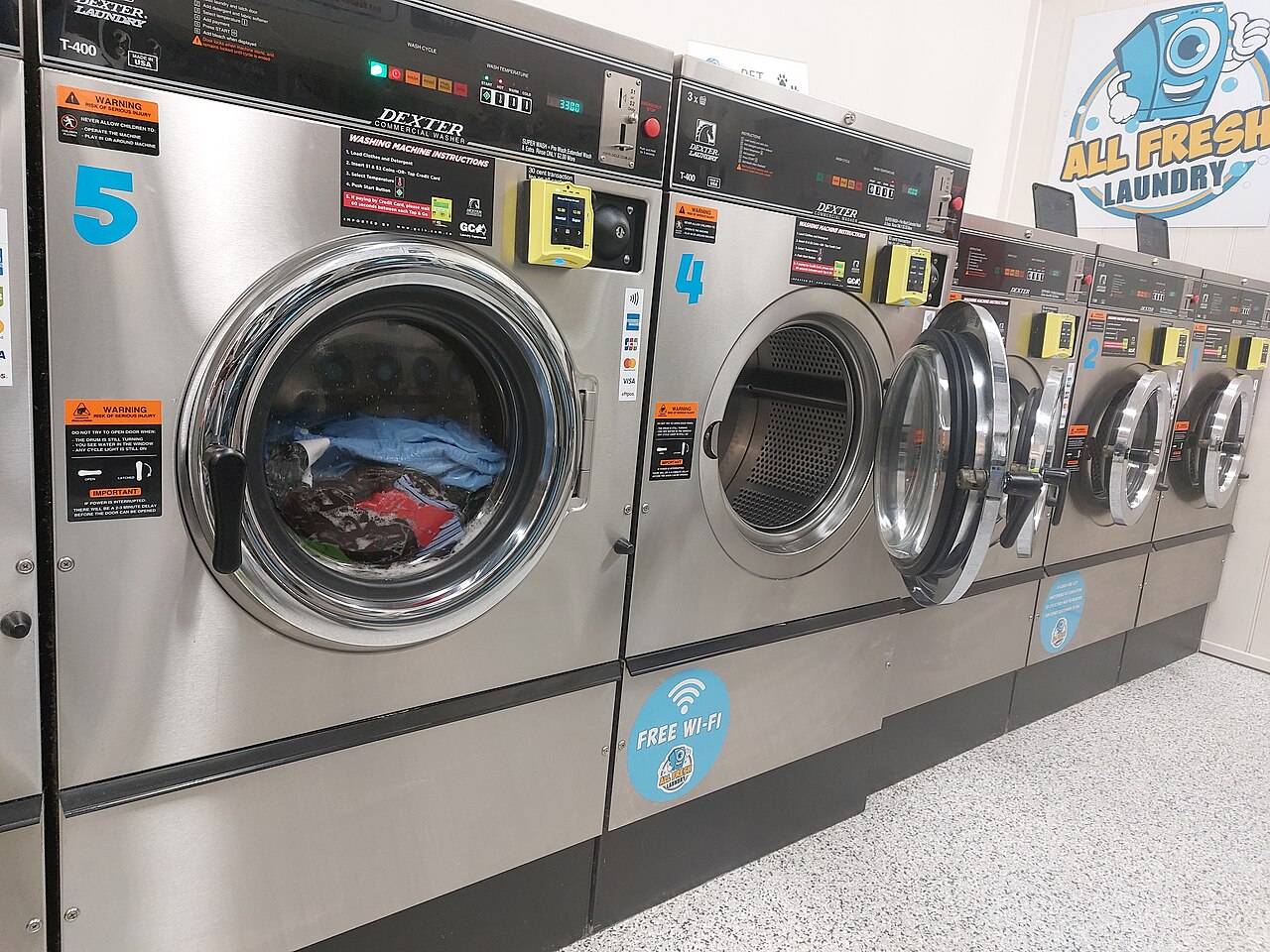
If your washing machine makes banging, scraping, rattling, metallic noise, heavy vibration, unusual movement, or loud sounds during washing, spinning, or the final cycle, London Appliance Repair can inspect the appliance and help identify the cause of the noise or vibration.


A noisy washing machine does not always mean a major failure, but ignoring it is not exactly a triumph of human decision-making either. The issue may be linked to load balance, poor installation, shock absorbers, bearings, a foreign object, abnormal drum movement, or worn components. In other words, a small industrial orchestra nobody asked to hear.

Banging noise

Often louder during the spin cycle.

Heavy vibration

The appliance may move from its place.

Scraping sound

May point to drum or internal movement issues.

Metallic noise

A small object may be trapped inside.

Quick signs

Heavy vibration during spin

Banging or knocking noise

Appliance moving from its place

Metallic or scraping sound

Noise getting worse at high speed

Common washing machine noise and vibration fault

Why is your washing machine making loud noise or vibrating heavily?

Loud noise or heavy vibration usually becomes more noticeable during the final spin cycle. At this stage, the drum rotates at a higher speed, and if the appliance is not level, the laundry load is unbalanced, support components are weakened, or the drum movement is affected, the noise and vibration can become much worse.


In some cases, the issue is simpler. The appliance may be standing on an unsuitable surface, the feet may not be adjusted correctly, or the drum may be overloaded with heavy and uneven laundry. But if the noise keeps returning, the appliance moves, a metallic or scraping sound is heard, or the vibration is stronger than usual, the fault should be checked.


London Appliance Repair can inspect washing machines with loud noise or heavy vibration and review areas such as the feet, appliance balance, drum, shock absorbers, bearings, belt, motor, and the possibility of a trapped foreign object.

Possible causes

What can cause loud noise or heavy washing machine vibration?

The location and type of noise matter. Banging, scraping, rattling, heavy vibration, or appliance movement can each point to a different issue. Saying “the washing machine is noisy” is not enough for proper diagnosis, although it is absolutely enough to ruin everyone’s mood.

Unbalanced laundry load

Heavy loads, wet towels, or unevenly distributed laundry inside the drum can cause strong vibration and banging during the spin cycle.

Appliance not level

If the feet are not adjusted correctly or the surface underneath is not suitable, the washing machine may move and vibrate while running.

Worn bearings

A grinding or roaring sound during high-speed spinning may be linked to worn bearings or a drum movement problem.

Weak shock absorbers

Shock absorbers help control drum movement. If they are weak or faulty, the appliance may shake heavily or make banging sounds.
Foreign object trapped inside

Coins, clips, buttons, or small objects may become trapped between the drum and tub, causing metallic rattling or knocking sounds.

Belt or motor issue

In some cases, noise or vibration may be linked to the belt, motor, or the drive system that helps turn the drum.

Stop or continue?

Should you keep using the appliance?

An unusual sound can start as a small change and become worse over time. If the appliance moves at high speed, makes banging or scraping noises, or produces abnormal sound during the final spin, the issue should be inspected.


The appliance moves from its position during spin

Banging or knocking during the final spin

Scraping, roaring, or metal-on-metal noise

Vibration stronger than normal

Rattling noise when the drum moves

The same noise happens during every wash programme

Signs to take seriously

Common signs of a washing machine noise or vibration fault

An unusual sound can start as a small change and become worse over time. If the appliance moves at high speed, makes banging or scraping noises, or produces abnormal sound during the final spin, the issue should be inspected.


The appliance moves from its position during spin

Banging or knocking during the final spin

Scraping, roaring, or metal-on-metal noise

Vibration stronger than normal

Rattling noise when the drum moves

The same noise happens during every wash programme

How loud noise or heavy vibration is checked

To inspect this issue properly, it matters exactly when the sound happens: filling, washing, draining, slow drum movement, or the final spin. The type and timing of the noise can help guide the inspection.

 
1
Noise timing
It is checked whether the noise happens during washing, draining, or final spin.
2
Appliance level
The installation surface, feet, and movement of the machine are reviewed.
3
Drum and parts
Drum movement, shock absorbers, bearings, and related parts can be checked.
4
Foreign object check
The possibility of a coin, clip, button, or small object being trapped is reviewed.

Before booking, note these details

Is the noise during washing or spin?

Does the appliance move from its place?

Is the sound banging, scraping, or metallic?

Does it vibrate even with a small load?

Is an error code displayed?

Is the appliance integrated or freestanding?

What should you do when your washing machine is noisy?

Before the appliance is inspected, a few simple steps can help prevent the fault from getting worse. These actions do not replace proper diagnosis, but they can help avoid putting extra strain on the appliance, which apparently counts as progress in the world of domestic machines.

Reduce the load

A heavy or uneven load can increase vibration and noise.

Do not keep repeating cycles

If the sound is strong or metallic, running another programme may make the issue worse.

Note the type of sound

Banging, scraping, rattling, or vibration can each guide the inspection differently.

If your washing machine brand is not listed here, you can still contact London Appliance Repair. Many noise and vibration faults are diagnosed by the sound type, when the noise happens, drum movement, appliance level, load balance, and whether the model is integrated or freestanding.

Indesit

LG

Kenmore

Haier

Zanussi

Electrolux

AEG

Candy

Ariston

Bush

Baumatic

Asko

Washing machine brands covered in London

London Appliance Repair works with many popular washing machine and home appliance brands used across London homes. If your washing machine is loud, vibrating heavily, banging, scraping, or moving during the spin cycle, the brand and model can help guide the inspection, but the main diagnosis is based on the noise type, drum movement, load balance, installation condition, and appliance behaviour.

Useful answers before booking

Loud noise during the spin cycle may be linked to an unbalanced load, appliance level, bearings, shock absorbers, a foreign object, or abnormal drum movement.

If heavy vibration repeats or the appliance moves from its position, it should be checked because it may place pressure on internal parts or the surrounding area.

A metallic sound may be linked to a trapped foreign object, drum movement issue, or internal component fault. If the sound repeats, the appliance should be inspected.

Yes. If the feet are not adjusted correctly or the surface underneath is unsuitable, the appliance may vibrate and move during the spin cycle.


If the issue happened once because of an unbalanced load, rearranging the laundry may help. But if the noise or vibration repeats, running another programme without inspection may make the problem worse.


Is your washing machine loud or vibrating heavily?

Book a repair visit with London Appliance Repair so the noise or vibration fault can be inspected properly.