
Washer Dryer Leaking in London
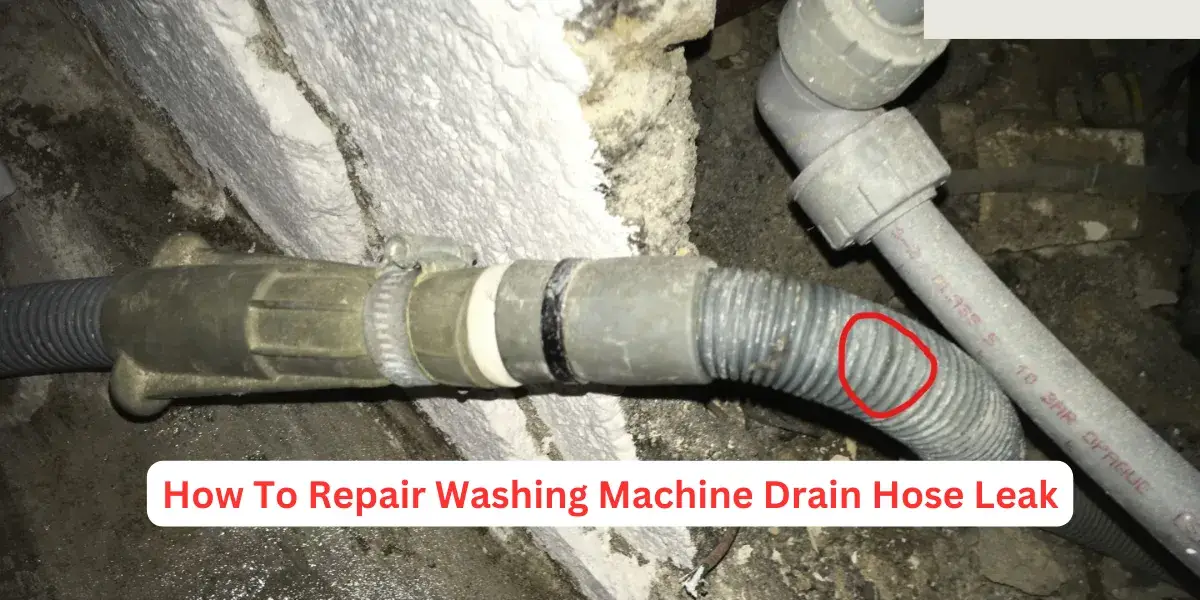
If your washer dryer is leaking water, leaving the floor wet, dripping from the door, leaking from the detergent drawer, or showing moisture around the hose or pump area, the fault may be linked to the door seal, drain hose, inlet hose, drawer, pump, filter or internal components.
- 💦 Door leak
- 〰️ Hose leak
- 📍 London repair service
- ⚠️ Do Not Ignore a Leak
A washer dryer leak can become serious
A leaking washer dryer can damage flooring, kitchen units, electrical parts and internal components. If the leak keeps happening, the appliance should be checked before the problem gets worse.
- 🔍 Where is the leak coming from?
The leak location helps identify the fault
A leak from the front, underneath, behind the appliance or from the detergent drawer can point to different causes. That is why checking the exact leak location is important.
Why is there water underneath the washer dryer?
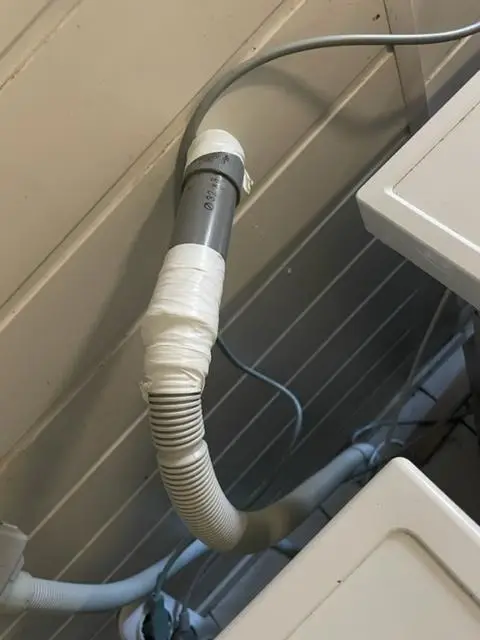
If water is collecting underneath the appliance, the leak may be coming from the drain hose, inlet hose, loose filter, drain pump, damaged seal or one of the internal water connections.
To diagnose the fault properly, the water path, door seal, detergent drawer, filter, pump, hoses and internal fittings may need to be inspected.
Common Reasons Your Washer Dryer Is Not Draining
Blocked Drain Filter
Lint, coins, hair, small fabric pieces or detergent residue can block the filter and stop water from leaving the appliance.
Faulty Drain Pump
If the drain pump is weak, jammed or faulty, the washer dryer may not be able to move water out of the drum correctly.
Kinked Drain Hose
A bent, crushed or badly positioned drain hose can restrict water flow and stop the appliance from draining properly.
Internal Blockage
Small items, lint, fabric debris or internal build-up can block the water path inside the machine.
Pressure Sensor Issue
If the appliance cannot detect the water level correctly, it may stop the programme or fail to drain at the right time.
Control Board Fault
The control board may fail to send the correct signal to the drain pump, leaving water inside the appliance.
- Washing machine not spinning FAQs
Useful answers before booking
If the spin stage does not run correctly, if drainage is restricted, or if the load inside the drum is too heavy or unbalanced, clothes may remain wet after the programme ends.
Yes. If water cannot drain correctly, many washing machines will not move into the final spin stage.
Yes. Heavy or uneven laundry can prevent the appliance from reaching the correct spin speed. If the same issue happens repeatedly with different loads, the appliance should be inspected.
The wash stage and spin stage rely on different conditions. The appliance may wash normally but refuse to spin if drainage, the door lock, load balance, motor, belt, or control signals are affected.
If this happened once with a heavy load, redistributing the laundry may help. But if the machine repeatedly fails to spin, makes unusual noise, or leaves water in the drum, it is better to avoid repeated use until it has been checked.