




London Hard Water: The Silent Killer of Your Dishwasher
Introduction
London is famous for many things — its history, culture, and architecture — but one lesser-known feature of the city is its hard water. The water in London is considered some of the hardest in the UK, and while it’s safe to drink, it quietly wreaks havoc on your household appliances — especially your dishwasher.
But what exactly is hard water? In simple terms, hard water contains a high concentration of minerals such as calcium and magnesium. While these minerals are harmless to humans, they can be deadly for your dishwasher. Over time, they build up as limescale inside the machine, clogging nozzles, coating heating elements, and reducing overall performance and lifespan.
The goal of this article is to uncover how London’s hard water affects your dishwasher, why it’s different from other regions, and — most importantly — what you can do to protect your appliance from this silent killer.
What Exactly Is Hard Water?
In scientific terms, hard water is water that contains high levels of dissolved minerals — primarily calcium and magnesium ions. These minerals are naturally absorbed as water travels through layers of rock and soil before reaching your home.
In regions like London, the water supply passes through limestone and chalk formations, both of which are rich in calcium carbonate. As rainwater seeps through these porous rocks, it dissolves the minerals along the way. The result is water that carries high concentrations of calcium and magnesium — the key ingredients of hard water.
While these minerals are not harmful to your health, they can cause significant issues for your plumbing and household appliances. Over time, the mineral deposits form limescale — a hard, chalky buildup that clings to pipes, heating elements, and internal parts of devices like dishwashers and washing machines. This buildup reduces water flow, lowers energy efficiency, and can even lead to costly repairs or replacements.
 Why Is London’s Water So Hard?
The primary reason London’s water is so hard lies beneath the ground. Most of the city’s water supply comes from underground aquifers in the southeast of England, regions naturally rich in chalk and limestone. As water travels through these geological layers, it dissolves calcium carbonate and magnesium carbonate, increasing the mineral content that defines hard water.
According to Thames Water, the hardness level in most parts of London ranges between 250 and 350 mg/L (as CaCO₃). In comparison, cities like Manchester or regions in Scotland typically have much softer water, with hardness levels around 60 to 100 mg/L. This makes London’s water among the hardest in the entire United Kingdom.
Hardness levels can vary depending on where you live in the city. Generally, the North and East London areas have the hardest water, while Southwest London tends to have slightly softer water. Here’s an overview of water hardness across different parts of the capital:
- North London: 340 mg/L CaCO₃ — Very Hard
- East London: 320 mg/L CaCO₃ — Very Hard
- Central London: 300 mg/L CaCO₃ — Hard
- West London: 280 mg/L CaCO₃ — Hard
- Southwest London: 250 mg/L CaCO₃ — Moderately Hard
These variations depend largely on local geology and water treatment processes. Regardless of where you are in London, though, the high mineral concentration poses a constant challenge for appliances like dishwashers and washing machines.
How Hard Water Affects Dishwashers in London Homes
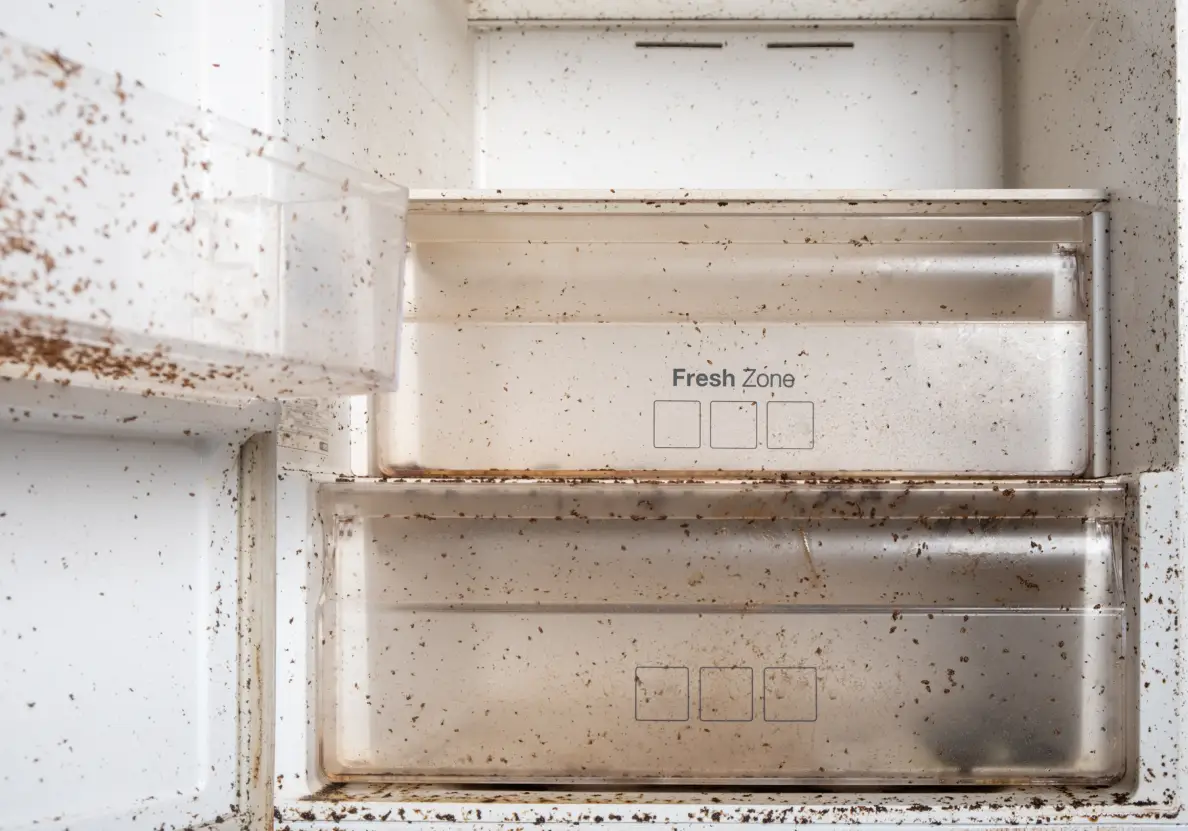
Hard water doesn’t just affect your pipes — it has a direct and often damaging impact on dishwashers in London homes. Over time, minerals like calcium and magnesium accumulate as limescale on critical components such as heating elements, spray arms, and filters.
This buildup reduces the dishwasher’s efficiency and can cause noticeable problems: dishes and glasses may come out streaked or cloudy, and some items might remain partially unwashed. Filters and spray arms can become clogged, further compromising cleaning performance.
Real-life examples abound. Many London households report needing to descale their machines frequently, sometimes monthly, or even replacing their dishwashers prematurely due to severe limescale damage. These challenges are particularly common in areas with the hardest water in the city.
Another hidden cost of hard water is increased energy consumption. Limescale on heating elements makes them work harder and heat water more slowly, which in turn raises electricity usage and monthly energy bills.
In short, hard water silently diminishes performance, damages components, and increases operational costs — making it a true “silent killer” for dishwashers in London homes.
Comparing London’s Hard Water with Other UK Cities
To put London’s water hardness into perspective, here’s how it compares to other major UK cities:
- London: 250–350 mg/L CaCO₃ — Very Hard — Frequent limescale buildup
- Manchester: 60–100 mg/L CaCO₃ — Soft — Minimal buildup
- Glasgow: 40–70 mg/L CaCO₃ — Soft — Gentle on appliances
- Birmingham: 200–250 mg/L CaCO₃ — Hard — Moderate issues
- Bristol: 180–220 mg/L CaCO₃ — Moderately Hard — Noticeable buildup
As the list shows, London ranks among the cities with the hardest water in the UK. This explains why appliances like dishwashers in London are more prone to limescale damage compared to homes in cities with softer water.
Signs That Your Dishwasher Is Suffering from London’s Hard Water
Hard water doesn’t always announce itself — but your dishwasher gives several clear warning signs when it’s under attack:
- White spots and powder residue: Dishes and glasses may come out streaked or coated with leftover detergent.
- Unusual noises: Limescale buildup can cause rattling or grinding sounds during the wash cycle.
- Reduced water temperature: Heating elements covered in limescale struggle to heat water effectively, lowering the actual temperature.
- Frequent cleaning required: Filters and spray arms need constant descaling to maintain proper function.
Recognising these signs early can help you take action before limescale severely damages your appliance or increases your energy bills.
 Long-Term Costs of Hard Water in London Homes
Living with hard water in London can have a significant financial impact on households, especially when it comes to dishwashers:
- Increased detergent and energy usage: Limescale reduces washing efficiency, requiring more detergent and longer heating cycles, which drives up electricity bills.
- Frequent maintenance: Filters, spray arms, and heating elements may need regular descaling or replacement to maintain performance.
- Reduced appliance lifespan: Studies and manufacturer data suggest that dishwashers in hard water areas can have up to 30% shorter lifespans compared to those in regions with soft water.
For an average London family, these extra costs can add up quickly. Considering detergent, electricity, and potential repairs or early replacements, the long-term expense of hard water can reach hundreds of pounds per year — making prevention and protection well worth the investment.
How to Protect Your Dishwasher from London’s Hard Water
While London’s hard water poses challenges, there are effective ways to protect your dishwasher and extend its lifespan:
- Use a water softener: Install a household water softener or a central filtration system to reduce mineral content before it reaches your dishwasher.
- Add dishwasher salt and rinse aid: Specially formulated products for hard water help prevent limescale buildup and improve cleaning performance.
- Monthly maintenance cycles: Run an empty cycle with white vinegar or a commercial limescale remover once a month to clean internal components.
- Install a magnetic filter: Attaching a magnetic water conditioner to the water inlet can reduce mineral deposits.
- Check and adjust appliance settings: Many modern dishwashers allow you to set water hardness levels in their internal settings — make sure it’s configured correctly for London’s hard water.
By taking these steps, you can minimise the impact of hard water, maintain optimal dishwasher performance, and protect your investment over the long term.
Conclusion: Don’t Let London’s Hard Water Win
London’s hard water may be a silent threat to your dishwasher, but with a little foresight, you can prevent damage, improve performance, and avoid costly repairs. Regular maintenance, the right products, and simple preventive measures make all the difference.
Take action today: Check your area’s water hardness and start protecting your dishwasher. With the right care, your appliance can continue delivering spotless dishes for years to come.