

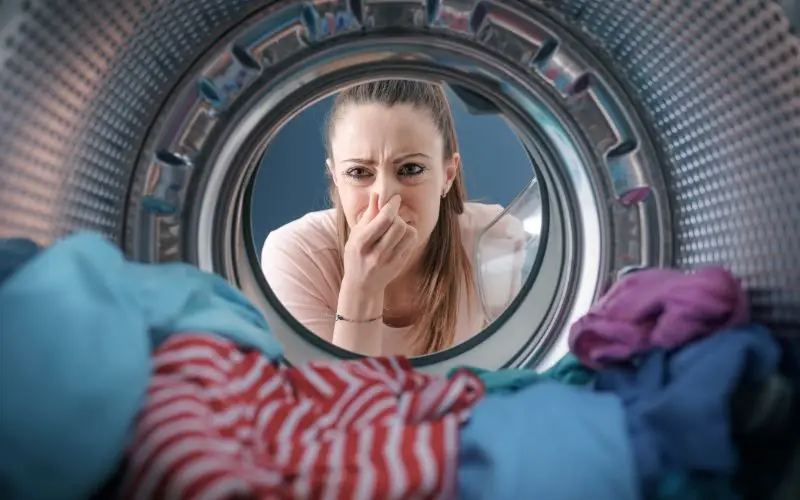


Does your laundry smell damp or musty? Are there dark spots in your detergent drawer? A dirty drawer is one of the most common causes of smelly washing, and it is easy to fix at home. You do not need expensive chemicals, only warm water, a small brush and a little time.
This guide explains why the drawer gets dirty, how to clean it step by step and when a dirty drawer points to a bigger fault.
Quick answer: Pull out the drawer, remove any loose inserts, soak the parts in warm (not boiling) water with washing-up liquid, scrub away residue and mould with a soft brush, clean the empty drawer housing, dry everything fully and refit it. Do this about once a month, and leave the drawer slightly open after each wash to help it dry.
Why Does the Detergent Drawer Get Dirty?
Water flushes detergent out of the drawer during a wash, but a little always stays behind. Over time, it builds up on the plastic. The most common reasons are:
- Fabric softener residue: Softener is thick and sticky, and it leaves a slimy film in the compartments.
- Mould and mildew: The drawer stays damp after washing, and warm, dark, wet spaces are perfect for black mould.
- Limescale: London has very hard water. Limescale mixes with old soap and forms hard, white crusts.
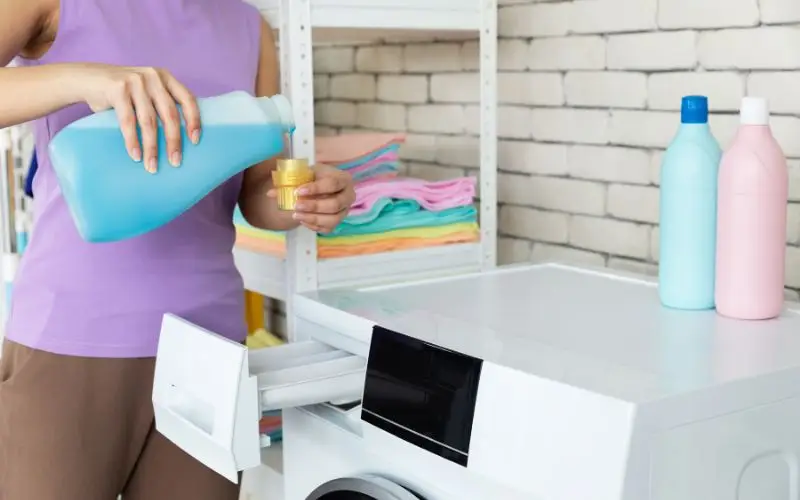
- Too much detergent: Overfilling leaves thick paste that the water jets cannot rinse away.
A dirty drawer can cause bad smells, blocked water flow and, in some cases, leaks.
How to Clean a Washer Dryer Detergent Drawer
Step 1: Remove the Drawer Safely
Never force the drawer out, because the plastic clips can break.
- Look for a small release tab or button, often in the softener compartment.
- Press it gently and pull the drawer towards you.
- If it does not slide out, check your manual. Some models need the drawer to be lifted slightly as you pull.
Step 2: Take Out the Removable Parts
Look for loose parts such as the siphon cap in the softener compartment and any plastic dividers. Remove them carefully. Mould often hides underneath.
Step 3: Soak the Parts in Warm Water
Fill the sink with warm tap water and add a little washing-up liquid. Do not use boiling water, as thin plastic can warp.
- Put the drawer and small parts in the water.
- Leave them for 10 to 15 minutes.
- Soaking softens soap crust and limescale.
Do not put the drawer in the dishwasher, because the heat can warp it.
Step 4: Scrub Away Mould and Soap Residue
Use an old toothbrush or a small brush.
- Scrub the corners and narrow grooves.
- Clean under the siphon cap and check the small hole underneath.
- Rinse everything under the tap.
- Check that all dark mould spots are gone.
If limescale remains, wipe it with a mix of one part white vinegar and one part warm water, leave it for about 20 minutes, then rinse. Check your manual first, and never mix vinegar with bleach.
Step 5: Clean the Drawer Housing
The empty slot inside the machine, called the drawer housing, collects soap and mould too. This includes the water spray holes in the top of the cavity.
Safety warning: Switch off the machine at the wall socket and unplug it first. Never pour water directly into the housing or machine.
- Wipe the inside with a damp cloth.
- Use an old toothbrush to scrub the top of the cavity and clear soap from the small spray holes.
- Clean the channel at the bottom that guides the water to the drum.
- Wipe it dry.
Step 6: Dry and Refit
Dry all the parts completely before you put them back.
- Refit the siphon cap and any dividers.
- Slide the drawer back into the slot until it clicks.
- Check that it opens and closes smoothly.
A Note About Different Brands
Drawer designs vary between brands and models. Some have a release tab, some have a lever and some need the drawer to be lifted. Always check your manual for the correct way to remove yours. Some machines also have an automatic dosing drawer for liquid detergent. These can have electrical or sensor parts, so do not pour water into them, and follow the manufacturer’s cleaning advice.
When Does a Dirty Drawer Point to a Bigger Problem?
Cleaning fixes most smells and flow problems. But call an engineer if:
- Water leaks from the front: If water drips down the front during a wash, the dispenser housing or an internal hose may be cracked.
- The drawer stays full of water: If there is still standing water after cleaning the siphon, there could be a blocked inlet or a faulty valve.
- No water enters the drawer: If the detergent stays dry, check that the tap is open and the inlet filter is clear. If it still does not work, the inlet valve may have failed.
- Electrical problems: If you notice any signs of an electrical fault, stop using the machine.
An engineer can safely check internal water lines and valves. If you also notice mould around the rubber door seal, read our guide on why your washing machine door seal is mouldy. It is also worth cleaning the pump filter, which our guide on how to clean a washing machine filter properly explains.
How to Keep the Drawer Clean
You do not need to scrub it every week. A few simple habits prevent build-up.
- Leave the drawer open: After each wash, leave it open a couple of inches so air can dry the housing.
- Do not overfill: Stay below the MAX line, and use the amount of detergent recommended for your load and water hardness.
- Use less fabric softener: Softener creates sticky residue. If you use a thick one, you can dilute it slightly with water, if the manufacturer allows it.
- Run a maintenance wash: Once a month, run an empty hot wash with a washing machine cleaner. Use 60°C or the hottest setting your manual recommends. This flushes old soap out of the pipes.
Frequently Asked Questions
How often should I clean the detergent drawer?
About once a month. If you wash every day or use thick fabric softener, clean it every two weeks.
Why is there standing water in my detergent drawer?
It is often caused by a blocked siphon cap or a build-up of old soap. Remove the cap, clean it and clear the hole underneath.
Can a dirty detergent drawer make my machine leak?
It can. If build-up blocks the water flow, water may overflow out of the drawer and run down the front of the machine.
Is mould in the detergent drawer harmful?
Mould can leave a musty smell on your clothes, and it may irritate people with allergies or asthma. Cleaning the drawer with warm soapy water, and vinegar if your manual allows it, will remove it.
Can I put the drawer in the dishwasher?
It is best not to. The heat can warp the plastic.
Need Help With a Washer Dryer?
A clean detergent drawer keeps your clothes fresh and helps your machine last longer. If your washer dryer still leaks, fills the drawer with water or has a smell that will not go away, our trained and insured engineers can help across all London boroughs.
Book a visit for washer dryer repair in London and get honest advice and clear pricing. Contact London Appliance Repair now.