

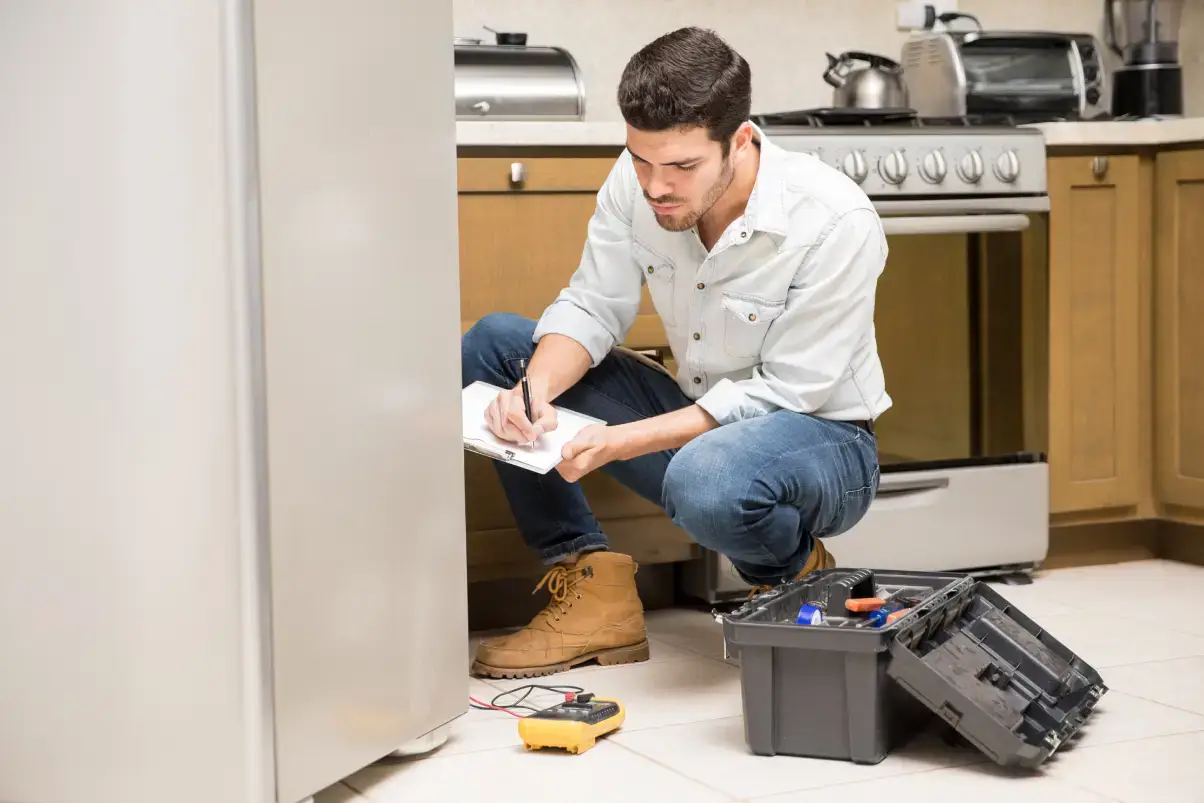
Learn about common appliance problems in London homes, including washing machine, dishwasher, fridge, freezer, oven, cooker and tumble dryer faults, and when to book a repair engineer.
If your washing machine, dishwasher, fridge, freezer, oven, cooker or tumble dryer is not working properly, this guide will help you understand the most common appliance problems in London homes and know when it is time to book a professional appliance repair engineer.
Why You Should Not Ignore Appliance Problems
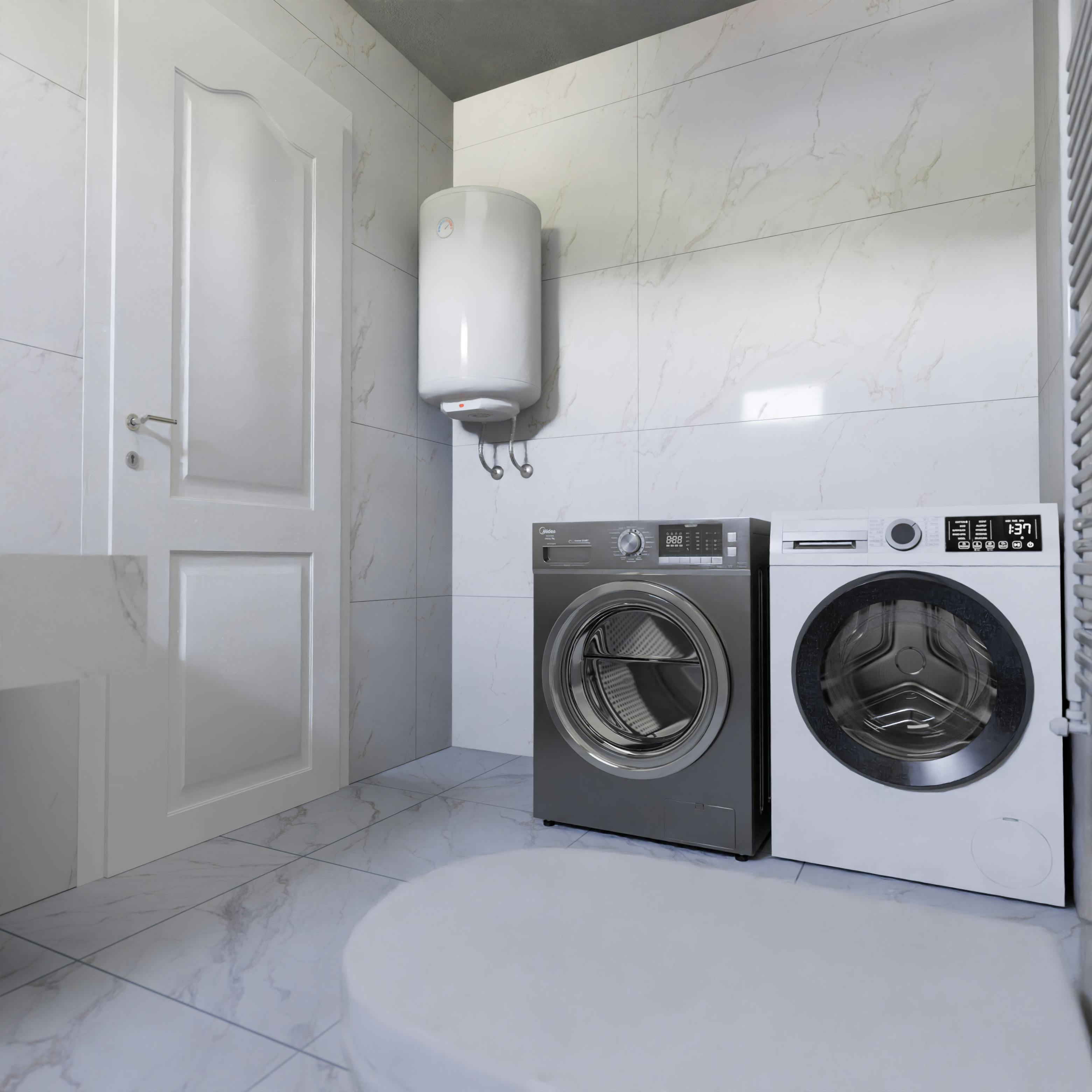
Household appliances are an important part of everyday life, especially in busy London homes. A small issue such as a washing machine not draining, a fridge not cooling or an oven not heating can quickly become a bigger problem if it is ignored. Early diagnosis can help prevent water leaks, food waste, higher energy use and further damage to internal parts.
1. Washing Machine Not Draining or Spinning
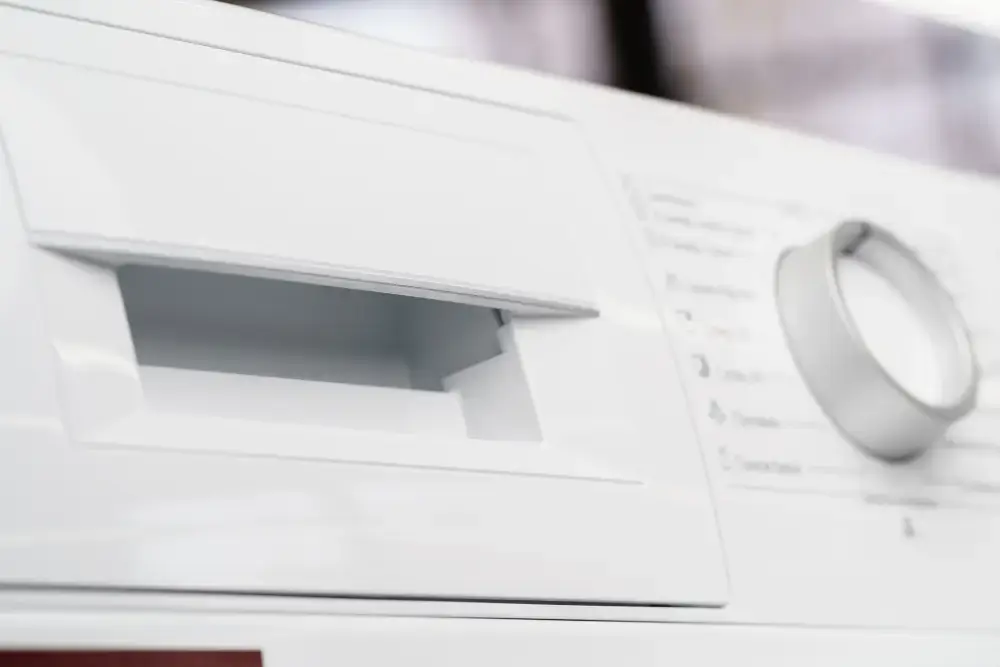
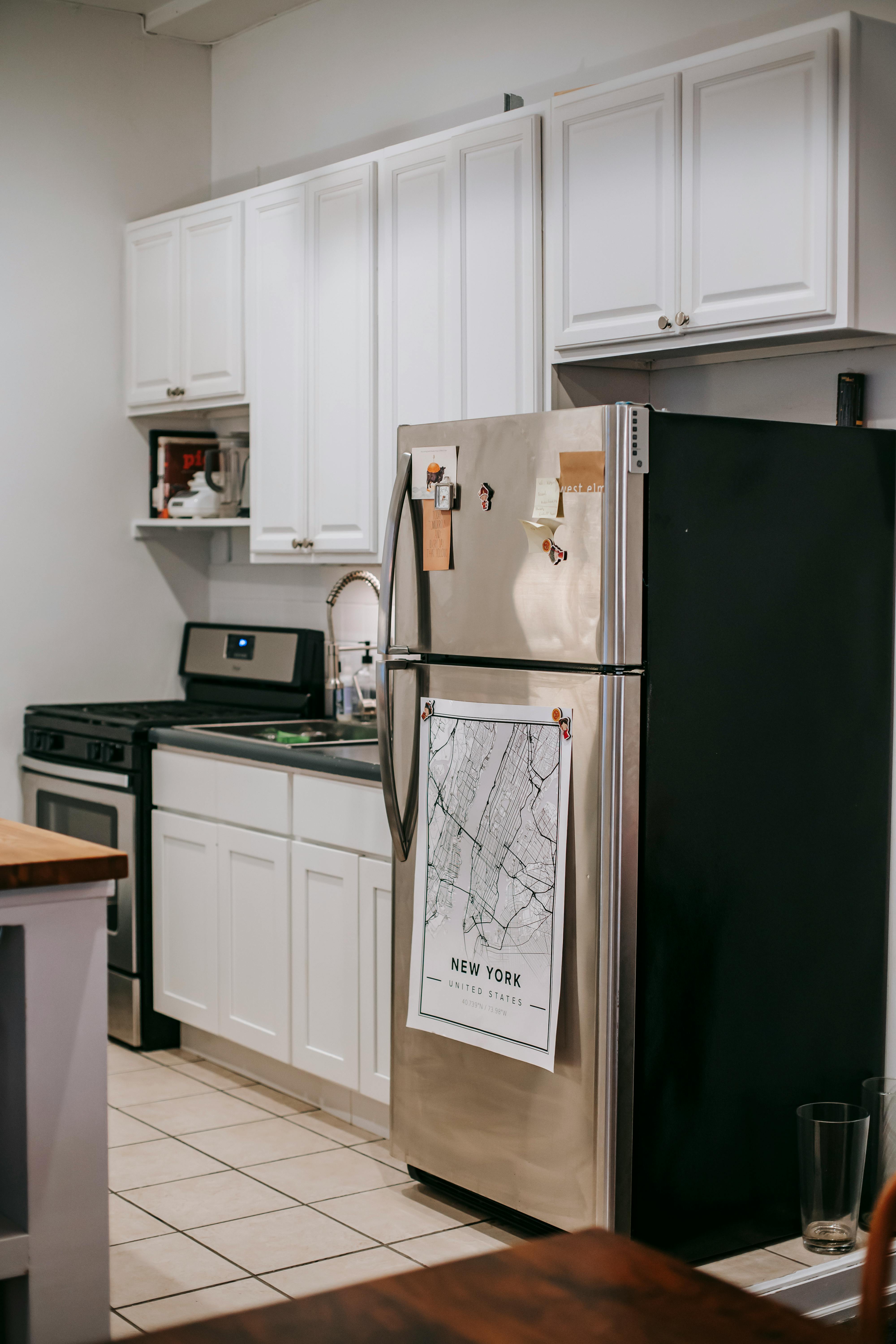
One of the most common appliance problems in London homes is a washing machine that will not drain or spin properly. This can happen because of a blocked filter, a kinked drain hose, a faulty drain pump, a motor issue, a broken belt or a problem with the door lock.
Before booking a repair, you can check whether the filter is clean, the drain hose is not blocked and the correct wash programme has been selected. However, if water stays inside the drum, clothes come out soaking wet or the machine makes unusual noises, it is best to book a washing machine repair engineer in London.

2. Dishwasher Not Draining or Cleaning Properly
If your dishwasher leaves water at the bottom, does not clean dishes properly, smells unpleasant or shows an error code, there may be an issue with the filter, drain pump, spray arms, heating element or water inlet system.
Cleaning the filter and loading dishes correctly may help in some cases. But if the dishwasher still does not drain, leaks water or fails to complete its cycle, continuing to use it may cause more damage.
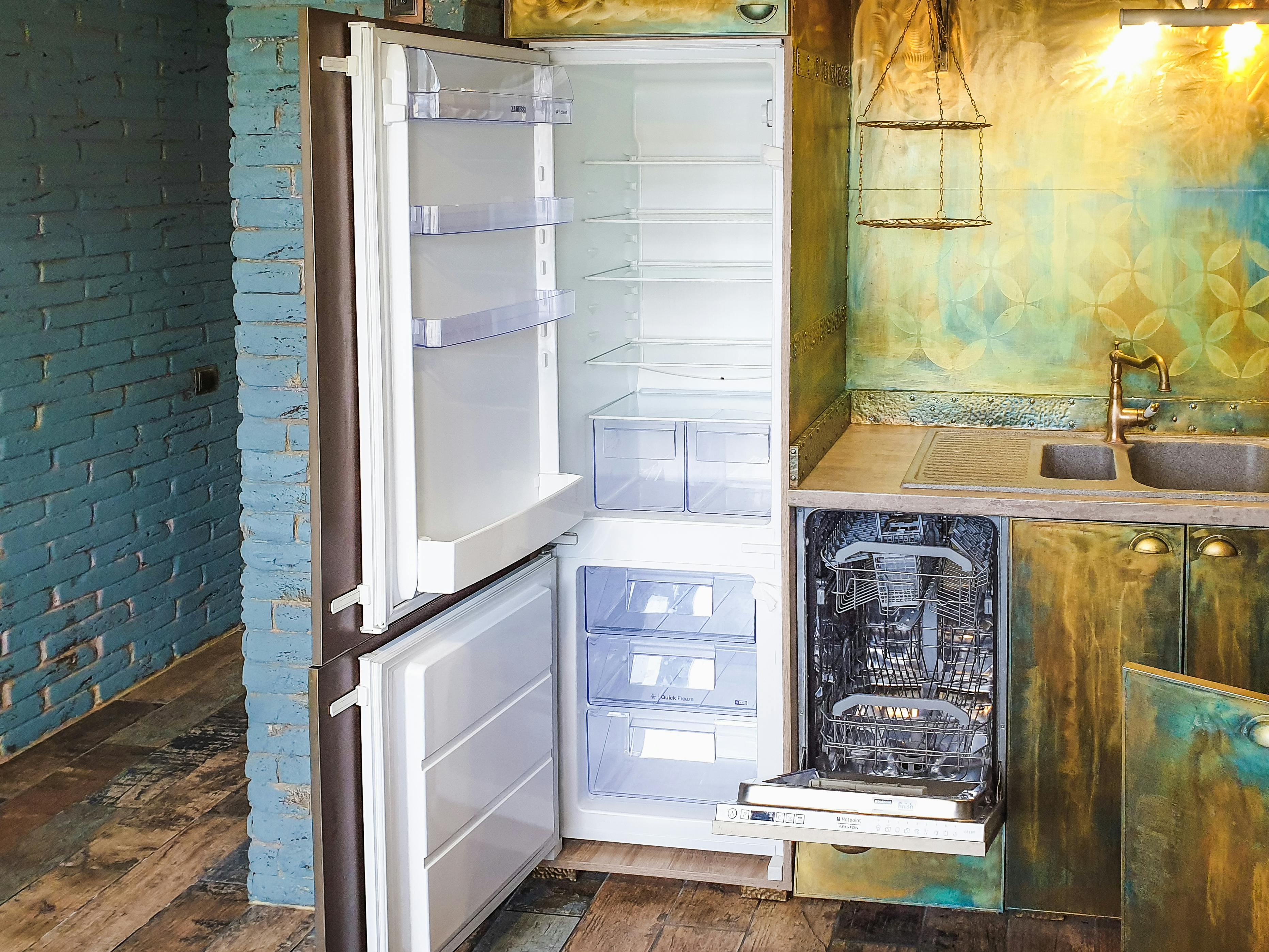
3. Fridge Not Cooling Properly
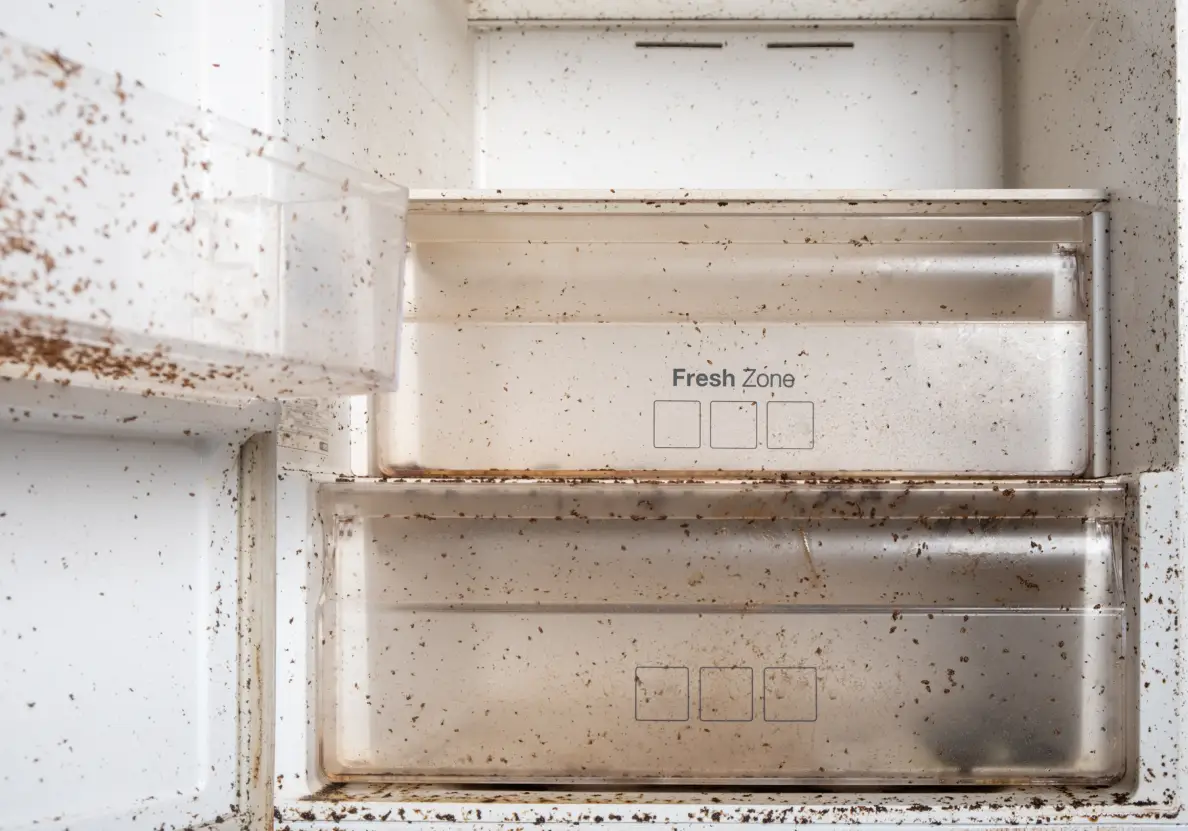
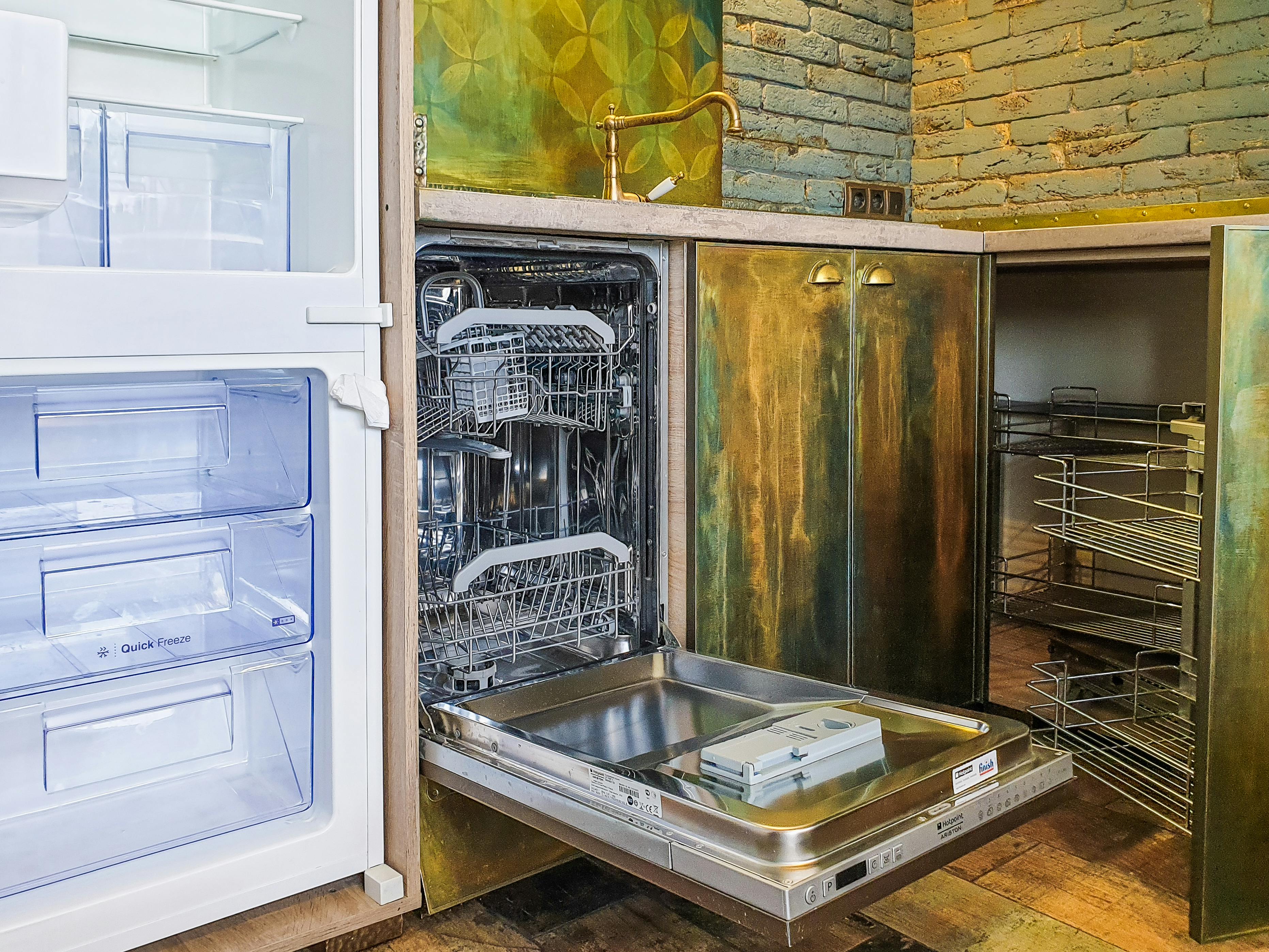
A fridge that is not cooling properly should be checked as soon as possible, because it can lead to spoiled food and extra pressure on the appliance. This problem may be caused by a faulty thermostat, fan, compressor, door seal, temperature sensor or poor airflow around the back of the fridge.
First, check that the temperature is set correctly, the door closes properly and there is enough space around the appliance for ventilation. If the fridge runs constantly, makes unusual noises or still feels warm inside, it is time to book a fridge repair engineer.
4. Freezer Building Up Ice or Not Freezing
If your freezer builds up too much ice, creates heavy frost or does not freeze food properly, the issue may be linked to the defrost system, temperature sensor, internal fan, door seal or control board. Excessive ice can reduce storage space and make the appliance less efficient.
Leaving the freezer door open, placing warm food inside or overfilling the appliance can cause frost. However, if the problem keeps coming back or the temperature does not stay stable, the freezer should be checked by a professional engineer.
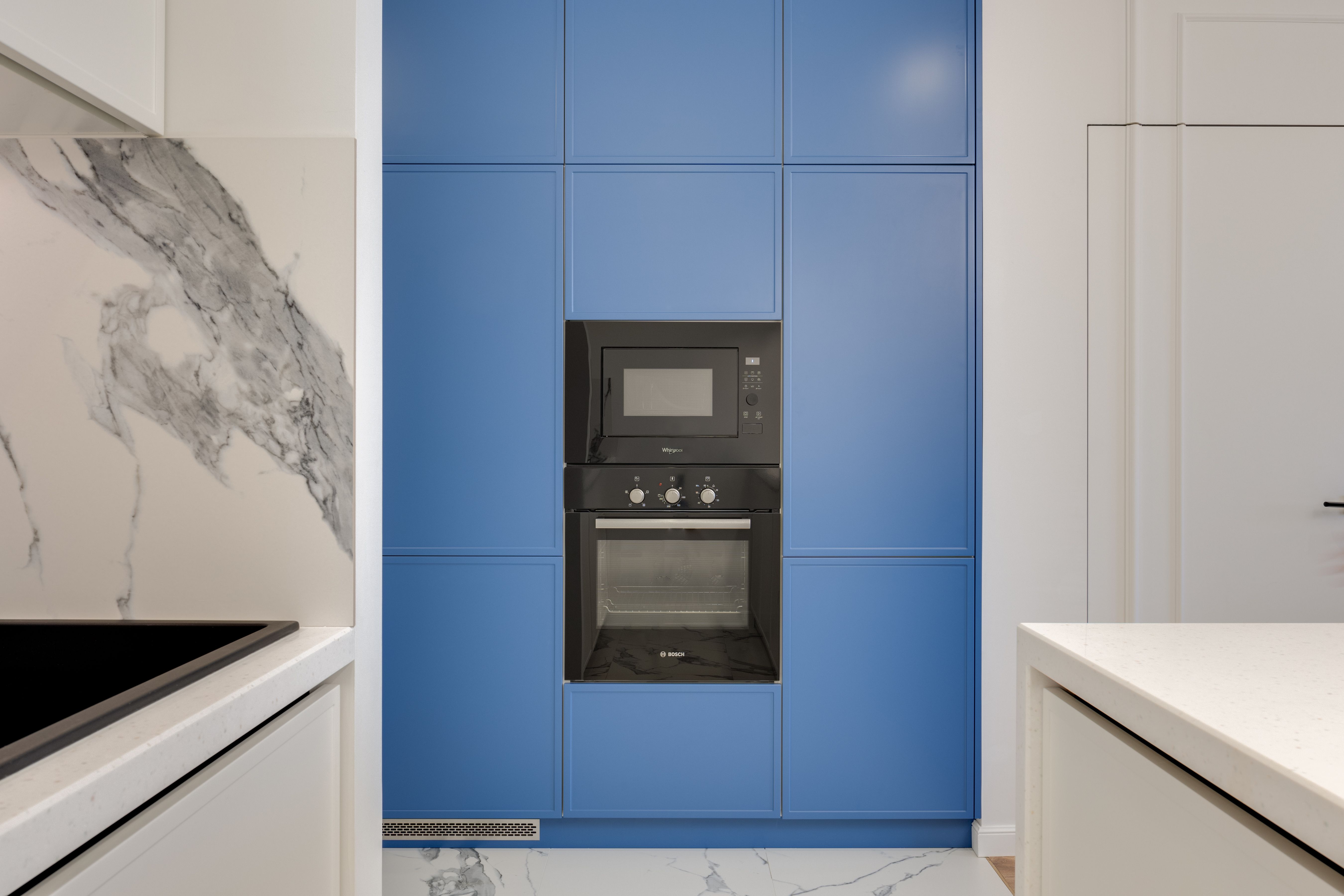
5. Oven Not Heating or Holding Temperature
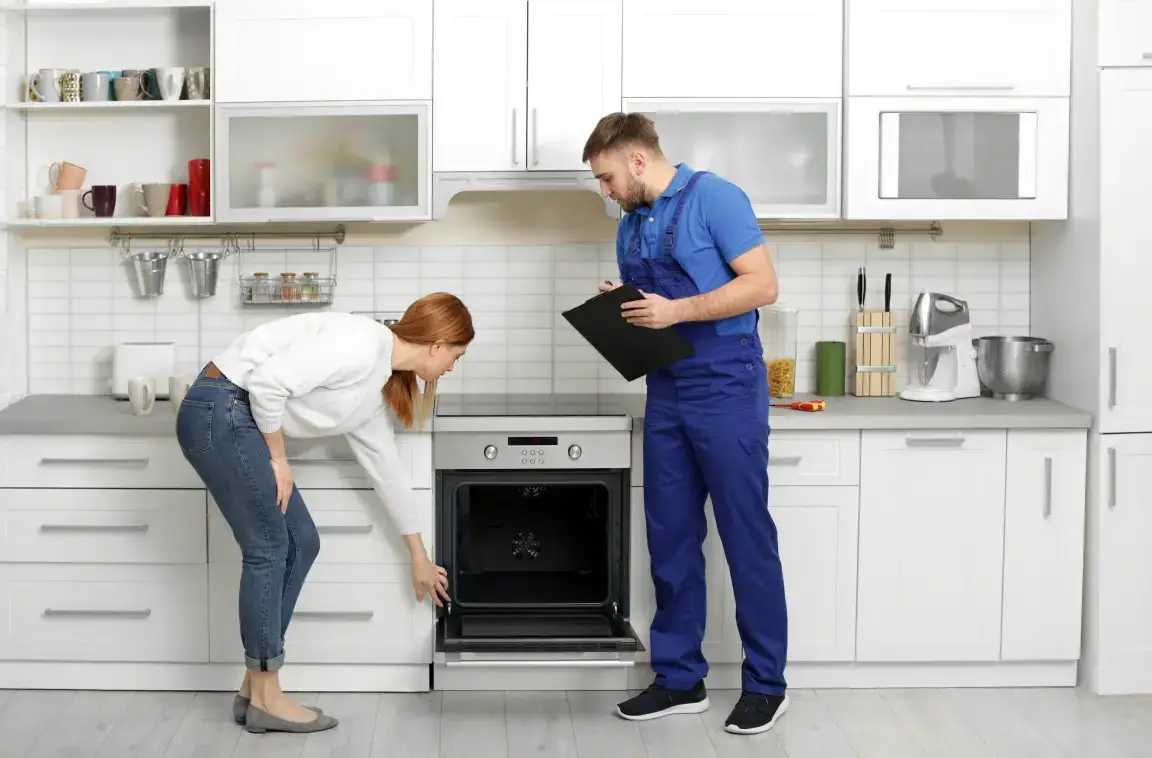
If your oven turns on but does not heat, cooks food unevenly, overheats or cannot hold the correct temperature, the fault may be with the heating element, thermostat, fan, temperature sensor or control board.
With electric ovens, opening the appliance without the right experience can be dangerous. If you notice a burning smell, repeated power trips, no heat or the oven not switching on, stop using it and book an electric oven repair.
6. Cooker or Hob Not Turning On
A cooker or hob that does not turn on, has faulty controls, does not regulate heat properly or switches off unexpectedly may have a problem with the heating element, ignition system, thermostat, wiring, control board or switches.
If you have a gas cooker and smell gas, stop using the appliance immediately and follow the correct safety steps. If you have an electric cooker or hob and it trips the power or smells of burning, do not switch it back on until it has been inspected.
7. Tumble Dryer Not Drying Clothes Properly
If your tumble dryer leaves clothes damp, overheats, smells of burning or fails to complete the drying cycle, the issue may be caused by a blocked lint filter, blocked ventilation, faulty heating element, thermostat, moisture sensor or motor.
Cleaning the lint filter after every use is important. If the problem continues or the dryer becomes too hot, stop using it and arrange a tumble dryer repair, as overheating can become a serious safety concern.
What to Check Before Booking an Appliance Repair
1. Write down the error code: If your appliance shows an error code, make a note of it before booking a repair. This can help the engineer understand the possible fault more quickly.
2. Find the appliance model: The brand and model number are usually printed on a label inside the door, on the side, at the back or near the appliance frame.
3. Describe the symptoms clearly: Explain when the appliance stops, where the noise comes from, where the leak appears or when the problem first started.
4. Switch off the appliance if it seems unsafe: If you notice a burning smell, water leak, gas smell, power tripping or loud unusual noises, avoid using the appliance until it has been checked.
When Should You Call an Appliance Repair Engineer?
If a simple check does not solve the problem, it is better not to delay the repair. Water leaks, no heat from an oven, a fridge not cooling, a faulty pump, unusual noises, burning smells or repeated power trips can all be signs of a more serious issue.
A professional appliance engineer can inspect the machine step by step, identify the real cause of the fault and help avoid unnecessary part replacements. This is especially important for integrated appliances and smaller London kitchens, where access to the appliance can be more difficult.
Frequently Asked Questions About Appliance Problems
Can I restart my appliance after seeing an error code?
If it is a minor issue, switching the appliance off and on may help. However, if the error code keeps returning, the appliance leaks, smells of burning or trips the power, it should not be used until it has been checked.
Are integrated appliances harder to repair?
In many cases, yes. Integrated appliances are fitted inside cabinets or under worktops, so access to the back, hoses and internal parts can be more limited.
How quickly should I act if my fridge is not cooling?
A fridge cooling problem should be checked quickly, because food can spoil and the motor may be placed under extra strain.
Should I move the appliance before the engineer arrives?
It is usually enough to clear the area around the appliance. If the appliance is heavy, integrated or connected to water or electricity, avoid moving it without guidance.
Need Appliance Repair in London?
If your washing machine, dishwasher, fridge, freezer, oven, cooker or tumble dryer is not working properly, you can book a repair request and have the appliance checked by a local London engineer.