

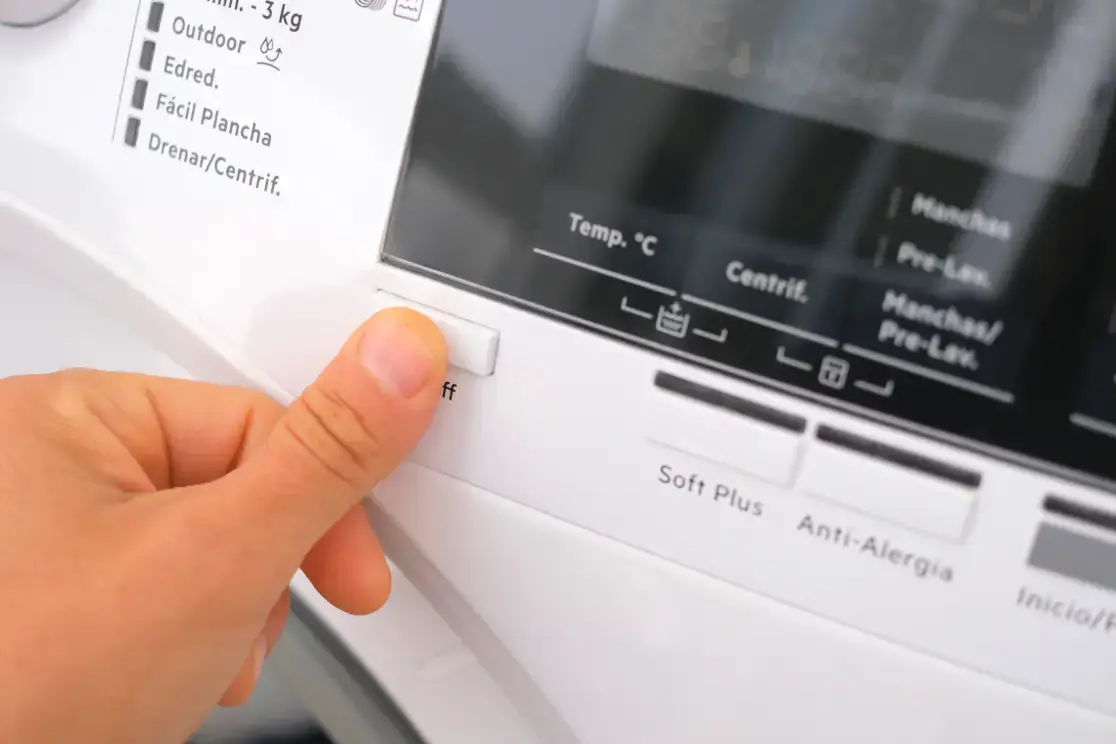
Hard water is common in many London homes and can cause limescale build-up inside washing machines, dishwashers, kettles, fridge freezers with water dispensers, steam appliances and other household appliances. This guide explains how London’s hard water affect
Hard water is common in many London homes and can lead to limescale build-up inside everyday household appliances. Over time, this can affect heating elements, water pathways, filters, taps, washing machines, dishwashers, fridge freezers with water dispensers, kettles and steam appliances.
What Is Hard Water?
Hard water is water that contains higher levels of minerals such as calcium and magnesium. These minerals are usually not a problem for general household use, but when water is heated or dries on surfaces, they can leave behind a white, chalky deposit known as limescale.
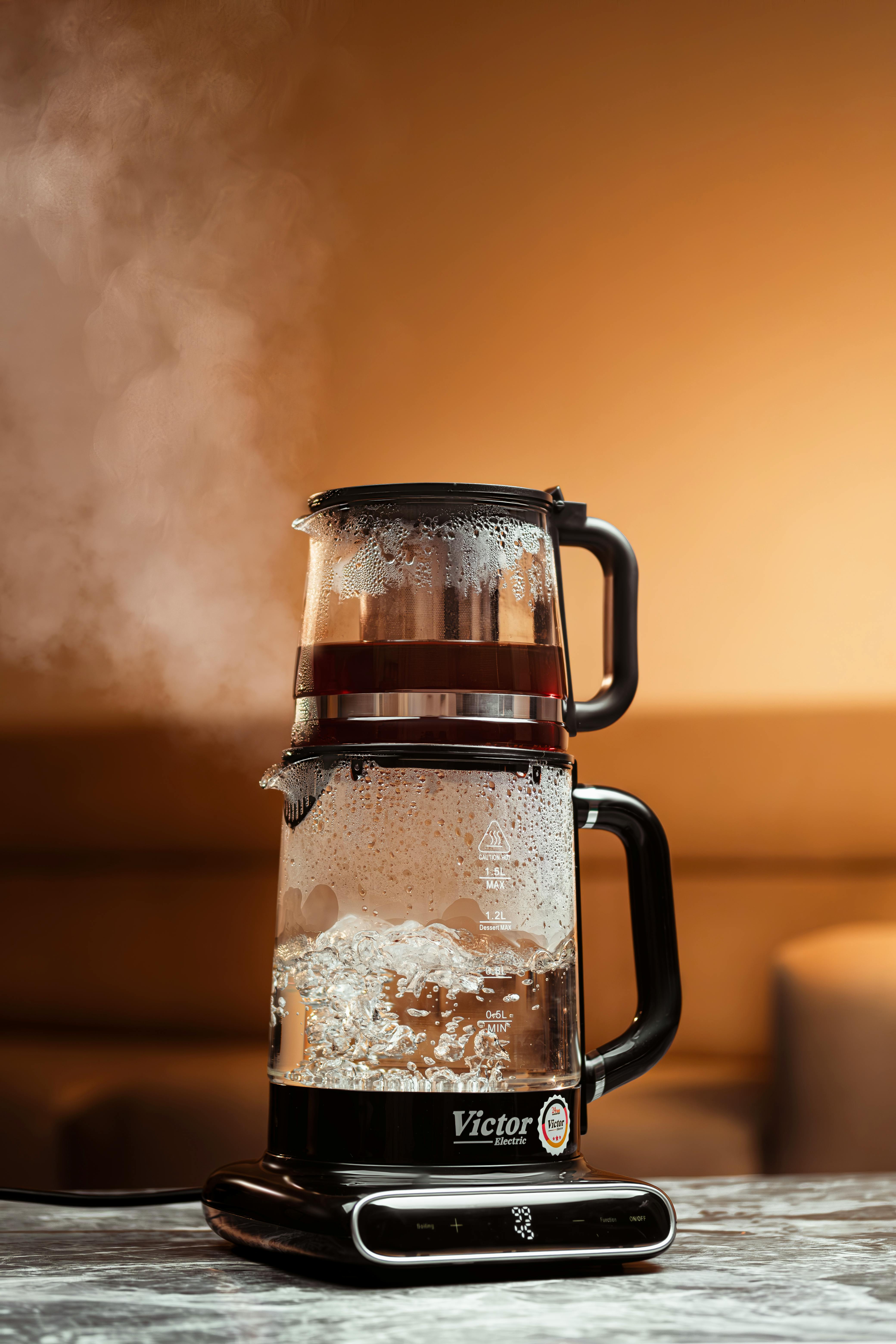 In London homes, limescale is often noticed around kettles, taps, showers, washing machines, dishwashers and appliances that regularly use heated water.
Why Is London Water Hard?
Water hardness depends on the ground and rock the water passes through before reaching homes. When water travels through chalky and mineral-rich areas, it naturally picks up more minerals. This is why many areas of London have relatively hard water.
 Around the home, the effects may appear as scale inside kettles, cloudy marks on glasses, reduced soap lather, limescale on taps and extra strain on appliances that heat or move water.
1. How Hard Water Affects Washing Machines
Washing machines are among the appliances most affected by hard water. Limescale can build up around the heating element, water inlet, filters and drum area. This may reduce washing performance, create unpleasant smells and put extra pressure on internal parts.

Possible warning signs:
- Clothes do not come out as clean or fresh as expected.
- The drum or door seal develops an unpleasant smell.
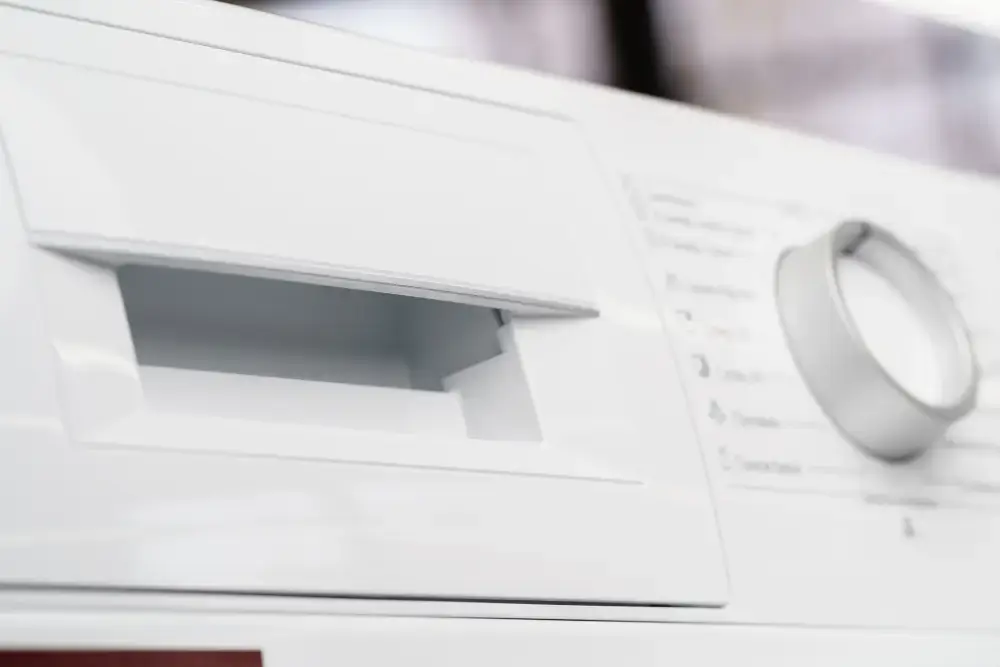
- White residue appears around the detergent drawer.
- Detergent does not foam or dissolve properly.
- The machine has to work harder to heat water.
2. How Hard Water Affects Dishwashers
Dishwashers work directly with hot water, so limescale can affect the heating element, spray arms, filter and internal surfaces. The result may be cloudy glasses, poorly cleaned dishes and unpleasant smells inside the appliance.
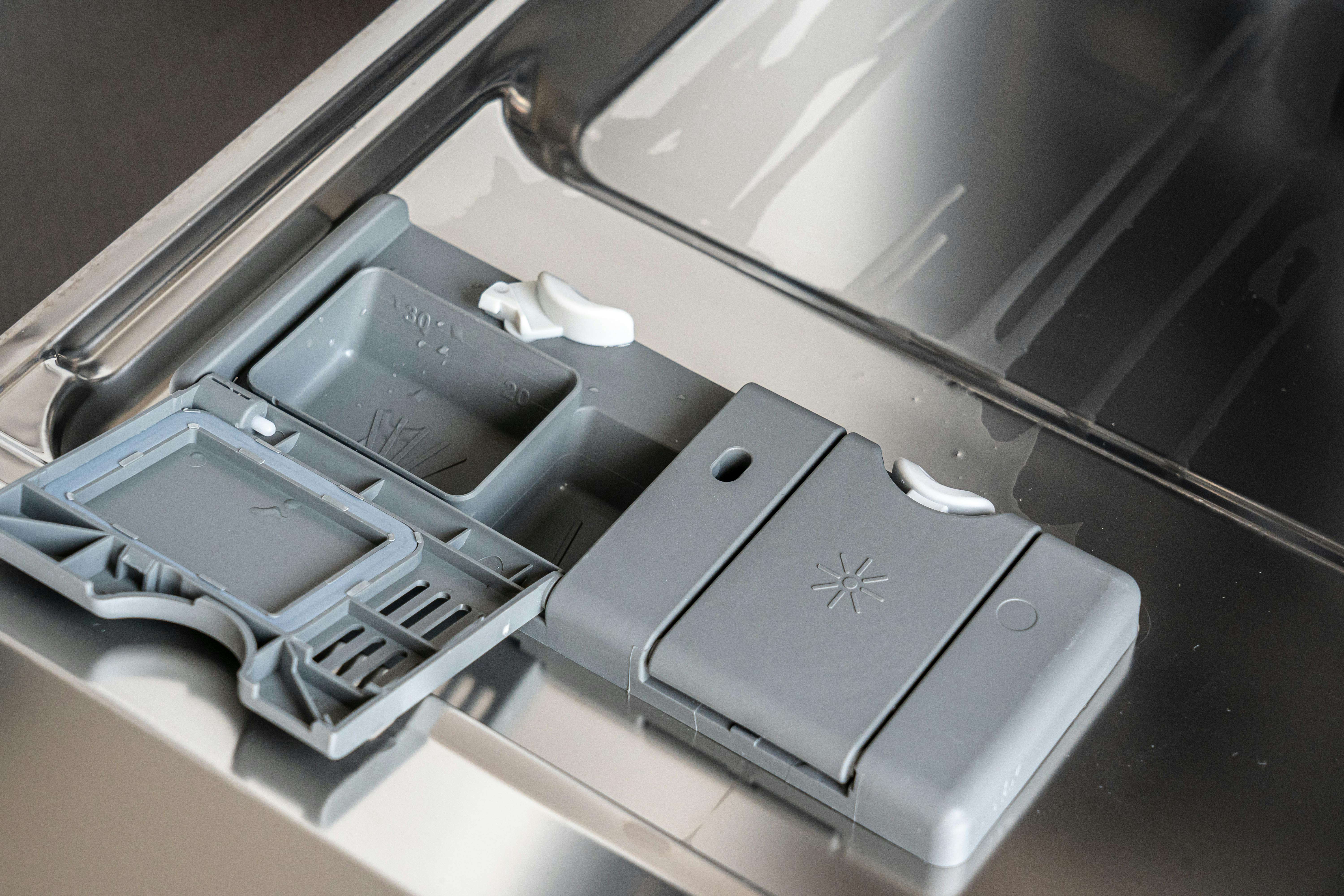
Possible warning signs:
- White or cloudy marks appear on glasses and glassware.
- Dishes still feel greasy or dirty after a cycle.
- White residue appears inside the dishwasher.
- Spray arms do not distribute water properly.
- The appliance smells unpleasant or drains poorly.
3. How Hard Water Affects Fridge Freezers with Water Dispensers or Ice Makers
Not every fridge uses water directly, but models with a water dispenser or ice maker can be affected by hard water. Limescale may build up in the water line, filter area, dispenser outlet or ice maker parts.
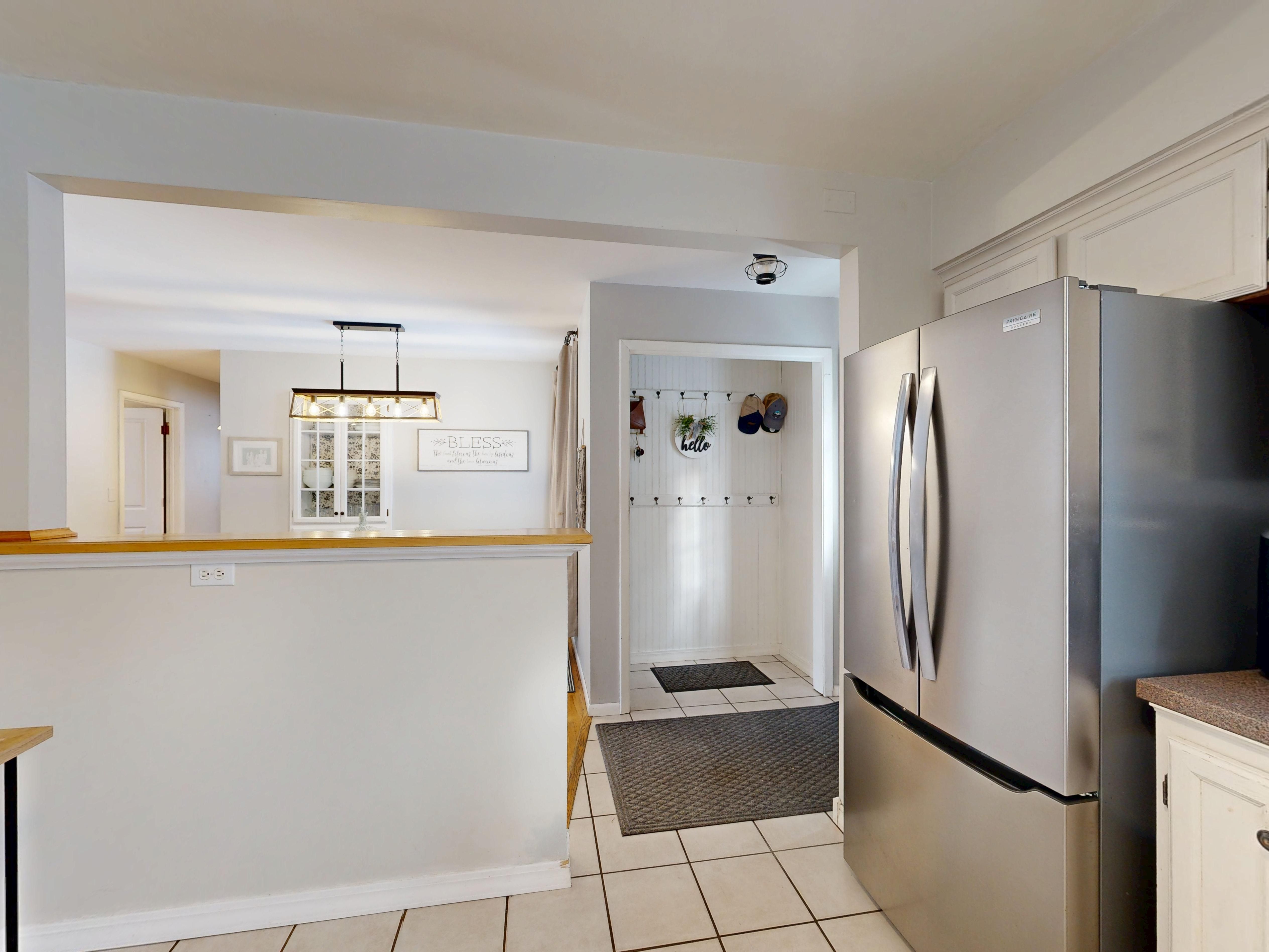
Possible warning signs:
- Water flow from the dispenser becomes weaker.
- The ice maker works more slowly than before.
- The water filter needs replacing sooner than expected.
- Scale appears around the water or ice outlet.
4. Hard Water and Kettles, Coffee Machines, Steam Irons and Steam Appliances
A kettle is often the first place where hard water becomes obvious. White scale inside the kettle or around the heating area is a clear sign of limescale build-up. The same issue can affect coffee machines, steam irons, steam ovens and other small appliances that heat water.

Why do these appliances scale up faster?
These appliances heat or steam water. When hard water is heated, minerals are more likely to settle on internal surfaces, heating areas and water channels.
5. Does Hard Water Affect Ovens, Cookers and Tumble Dryers?
Standard ovens and cookers do not usually use water in the same way as washing machines or dishwashers. However, if your appliance is a steam oven or has a water tank, limescale can build up in the water and steam system. Tumble dryers, especially condenser and heat pump models, also need proper filter and moisture-path maintenance to work efficiently.

When should these appliances be checked?
- A steam oven heats slowly or produces weak steam.
- The appliance shows a water or steam-related error.
- A dryer does not collect moisture properly or clothes stay damp.
- There are unusual smells, noises or sudden stops.
View Electric Oven Repair View Cooker Repair View Tumble Dryer Repair
Signs of Limescale Build-Up in Home Appliances
1. White or chalky marks: These may appear on glasses, taps, inside kettles or around internal appliance surfaces.
2. Weaker appliance performance: The appliance may heat more slowly, wash poorly or produce weaker water flow.
3. More detergent needed: Hard water can reduce lather, making it seem like more detergent is needed.
4. Error codes or sudden stops: Limescale build-up can put extra strain on parts and may lead to appliance errors.
Simple Ways to Reduce the Effects of Hard Water in London Homes
- Check and clean washing machine and dishwasher filters regularly.
- Use dishwasher salt and rinse aid where suitable.
- Empty kettles after long periods of use to help reduce scale build-up.
- Descale coffee machines, steam ovens and steam irons according to the manufacturer’s instructions.
- Replace water filters on time if your appliance uses one.
- Avoid very high-temperature wash programmes unless they are needed.
- If you notice errors, leaks, unusual noises or a sudden drop in performance, have the appliance checked.
Frequently Asked Questions About London Hard Water and Appliances
Is hard water dangerous for home appliances?
Hard water is not usually an immediate danger, but over time, limescale can reduce appliance efficiency and put extra strain on internal parts.
Which appliances are most affected by hard water?
Washing machines, dishwashers, kettles, coffee machines, steam irons, steam ovens and fridge freezers with water dispensers or ice makers are more likely to be affected by limescale.
Do I always need to use descaling products?
It depends on the appliance and how often it is used. Always check the manufacturer’s instructions and only use products that are suitable for that appliance.
When should I call an appliance engineer?
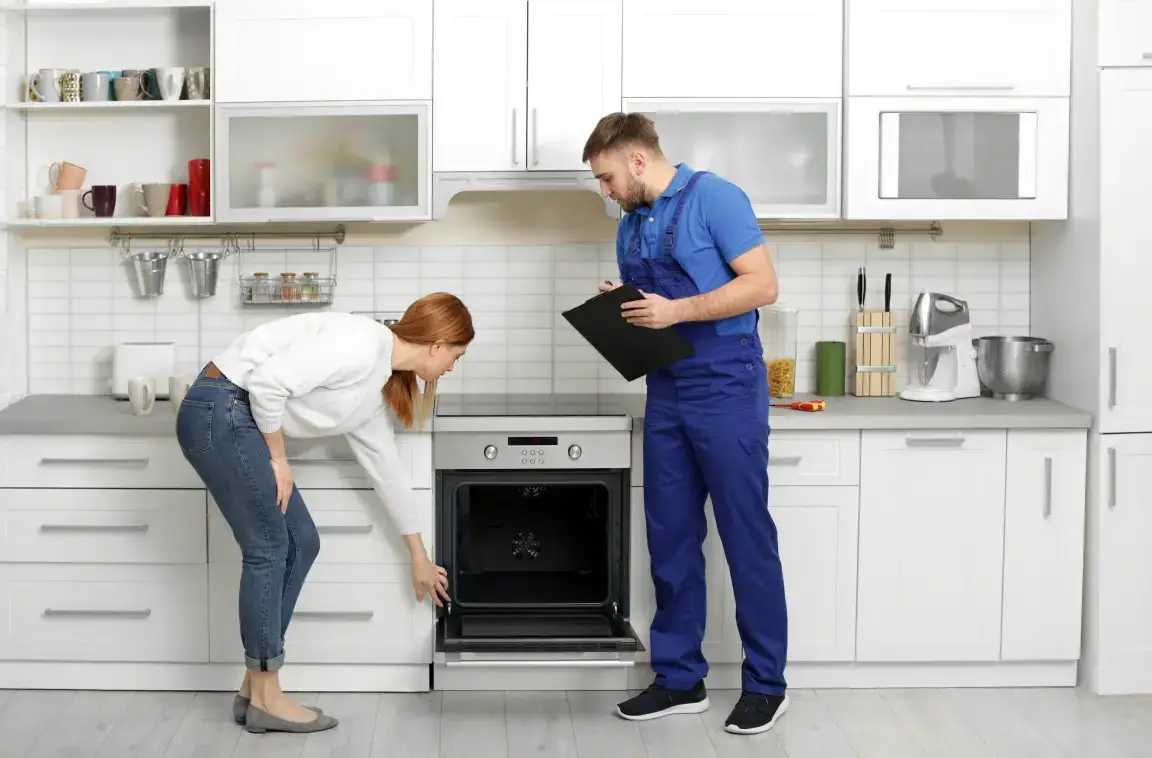
If the appliance shows error codes, leaks, does not heat properly, drains poorly, makes unusual noises or does not improve after cleaning, it is best to arrange a professional inspection.
Final Thoughts
London’s hard water can create limescale build-up in many household appliances. Over time, this can affect heating elements, water pathways, filters and internal parts, reducing performance and increasing strain on the appliance. With regular cleaning, suitable descaling, filter care and attention to warning signs, many common problems can be reduced.