




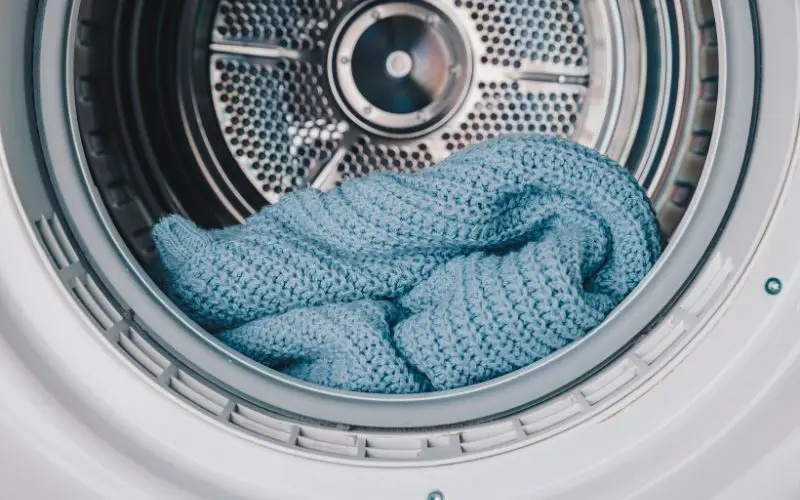
You put your wet laundry into the drum. You set the timer and start the machine. An hour later, you come back and open the door. You expect warm, dry clothes. Instead, your clothes are still cold and wet.
This is a very common problem in many homes. You wonder, why is your tumble dryer not heating when the drum still spins around? It can be very frustrating, especially on cold, rainy London days. Getting a fast tumble dryer repair in London can save your clothes and get your daily routine back on track.
In this guide, we will look at the most common reasons why dryers lose their heat. We will share simple checks you can do at home. We will also explain when it is time to call an engineer.
A Blocked Fluff Filter Slows Down Air
The fluff filter sits right inside the door opening. It catches small bits of cloth and thread from your clothes. If you do not clean this screen after every load, the fluff builds up into a thick mat.
When the screen gets clogged, warm air cannot flow through the drum. The machine gets too hot inside very quickly. Many modern dryers will turn off the heater to protect the machine from fire. If your dryer runs cold, pull the filter out and clean off the gray fluff first.
A Tripped Safety Switch
Most tumble dryers have a small safety part called a thermal switch. It monitors the heat inside the metal cabinet. If the machine gets too hot due to poor airflow, this switch clicks off to cut the power to the heat coil.
Some machines have a small red button on the back panel that you can press to reset the heat. You can let the machine cool down for thirty minutes and press that button. But you must never take the metal panels off the back yourself. Dryers use high electric power that can hurt you. If your switch trips again right away, booking appliance services in London is the safest choice.
A Broken Heating Element
The heating element is a long metal wire coil on the back of the drum. It glows red hot to warm the air as the drum turns. Over years of regular use, the thin metal wire gets weak and snaps.
When the coil breaks, the drum will still turn and make noise, but the air will stay completely cold. This happens often on older machines that run several loads every week. If you have a German model and need Bosch dryer repair London, a local technician can test the heater coil with a meter and fit a brand-new part.
Blocked Vent Pipes on Vented Dryers
If your machine has a long plastic pipe that runs outside, you have a vented dryer. The pipe pushes wet, steamy air out of your home. Over time, wet fluff and dust get trapped along the inside walls of the hose.
When the hose gets blocked, the wet air has nowhere to go. The air stays inside the drum, so your towels and shirts stay damp. Check the hose behind your machine to make sure it is not bent, crushed against the wall, or packed with lint. For American-style appliances, expert Frigidaire tumble dryer repair London or Kenmore tumble dryer repair London can get your vent path cleared safely.
Why is Your Tumble Dryer Not Heating After Long Cycles?
Sometimes a dryer runs for two hours, but the clothes stay wet. Many modern sensor dryers have small metal strips inside the drum. These metal strips feel the moisture in the wet cloth to know when to turn off the heat.
If soap powder or fabric softeners leave a thin film on the metal strips, the sensor stops working. It tells the computer that your clothes are dry when they are still wet. You can clean these metal strips gently with a dry cloth and a little rubbing alcohol. For classic British models, you may need Belling tumble dryer repair London if the sensor wires come loose.
A Faulty Thermostat Stops the Heat
A tumble dryer uses two or three small thermostats to control the heat level. One thermostat keeps the heat at the right temperature for soft clothes. Another thermostat cuts the power if the air gets dangerously hot.
If one of these thermostats fails, the heating element will not receive any electricity. The machine will spin in circles, but the air will never warm up. An engineer can test each thermostat with a simple meter tool to find the broken part in just a few minutes.
When to Call a London Repair Engineer
You can easily clean your own lint filter and check the vent hose behind your unit. But you should never try to open the inner electrical parts on your own. Tumble dryers hold strong electrical charges that are dangerous to touch without training.
If you clean your filter and your clothes still come out cold, turn the machine off at the wall plug. A skilled local engineer has the right tools and original factory parts to fix the issue safely. Getting the job done right keeps your home safe and gets your laundry dry again.
Frequently Asked Questions
Why does my dryer spin but blow cold air?
A broken heating element or a tripped safety switch is usually the cause.
Can a dirty lint filter stop the dryer from heating?
Yes. A clogged filter blocks airflow and causes the safety thermostat to cut the heat.
Is it safe to reset the red button on the back of my dryer?
Yes, but let the machine cool down first and unplug it from the wall.
How often should I clean the dryer filter?
You should clean the fluff filter after every single load of laundry.
Can I replace a heating element myself?
No. You should always let a trained engineer handle electrical parts to stay safe.
Why are my clothes still damp on sensor dry?
The sensor strips inside the drum may have a thin film of soap that needs cleaning.
Final Thought
A cold tumble dryer can turn laundry day into a giant headache. Most heating issues come down to blocked fluff filters, failed heating coils, or tripped safety switches. Keeping your air paths clean is the best way to protect your machine from damage.
If your dryer still refuses to heat after a simple filter clean, let the team at London Appliance Repair take a look. Our friendly local engineers fix all major brands across London quickly and safely. Contact us today to book your repair and get your dryer blowing warm air again.