


A practical London guide explaining why home appliances smell bad, how to reduce unpleasant odours and when to call an appliance repair engineer.
A bad smell from your washing machine, dishwasher, fridge, freezer, tumble dryer, oven or cooker is not just unpleasant. It can be a sign of trapped moisture, mould, a dirty filter, poor drainage, food residue or even an internal appliance fault. This guide explains the most common causes and what London homeowners can do about them.

Why Do Home Appliances Start to Smell Bad?
Most household appliances deal with water, moisture, food, grease, detergent or heat. When residue is left inside the appliance, it can create bacteria, mould, limescale or unpleasant odours. Cleaning the outside of the appliance is often not enough, because the smell may be coming from the filter, hose, door seal, drain system or internal parts.
In London homes, frequent appliance use, smaller kitchens, limited ventilation and hard water can make bad smells more common. When moisture stays trapped inside a machine, it creates the perfect environment for unpleasant odours.
1. Bad Smell from a Washing Machine
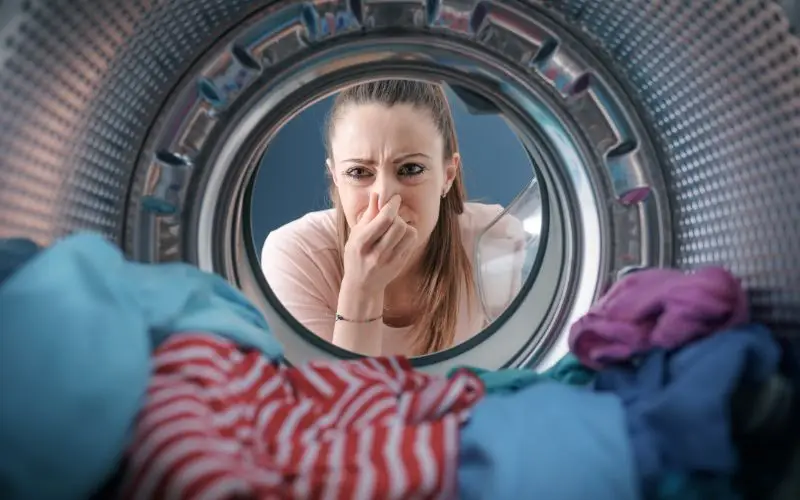
A washing machine is one of the most common appliances to develop a bad smell. The odour often comes from the door seal, filter, detergent drawer or inside the drum. Trapped moisture, too much detergent, low-temperature washes and keeping the door closed after a cycle can all encourage mould and musty smells.

How to reduce washing machine smells:
- Leave the washing machine door slightly open after each wash.
- Wipe and dry the door seal regularly.
- Remove and clean the detergent drawer.
- Check the filter from time to time.
- Run an empty maintenance wash at a suitable temperature.
If the smell remains after cleaning, or the machine does not drain properly, the problem may be linked to the filter, drain pump or waste-water path.
2. Bad Smell from a Dishwasher
Dishwashers can develop bad smells quickly because they deal with food residue, grease and hot water. If you notice an unpleasant smell or a drain-like odour when opening the dishwasher, the filter, drain path or bottom of the appliance may need attention.
Simple ways to reduce dishwasher smells:
- Remove and wash the dishwasher filter thoroughly.
- Scrape large food pieces from plates before loading.
- Check the spray arms and make sure the holes are not blocked.
- Run an empty cleaning cycle from time to time.
- Avoid using the appliance if water remains at the bottom.
A bad dishwasher smell together with poor drainage can be a sign of a blocked filter, faulty pump or drainage problem.
3. Bad Smell from a Fridge
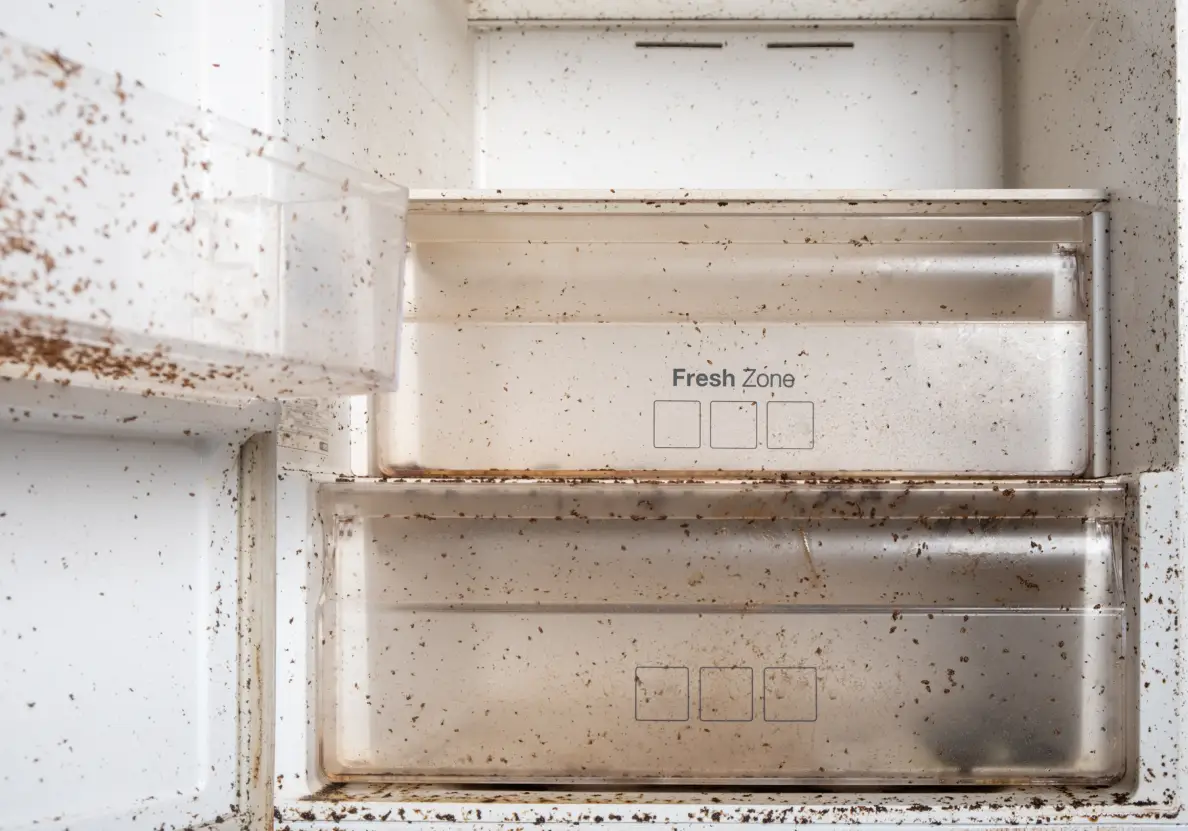
A bad smell inside the fridge can quickly affect stored food. Even if the fridge is cooling, unpleasant odours may come from expired food, uncovered containers, spilled liquids, a blocked drain hole or poor airflow.

How to reduce fridge smells:
- Remove old or suspicious food items.
- Clean shelves, drawers and the inside walls.
- Keep food in sealed containers.
- Check the door seal to make sure the fridge closes properly.
- If water collects inside the fridge, the drain hole may be blocked.
If your fridge smells bad and is not cooling properly, the issue may be more serious than simple cleaning.
4. Bad Smell from a Freezer
Freezers can also develop unpleasant smells, especially if food is stored for too long or is not sealed properly. Temperature changes, power interruptions, leaking food packaging and heavy frost can all cause bad odours.
Simple freezer checks:
- Check and remove old frozen food.
- Store food in sealed and suitable packaging.
- Clean the freezer when it is safe to do so.
- Inspect the door seal.
- Take action if the freezer cannot maintain a stable temperature.
5. Bad Smell from a Tumble Dryer
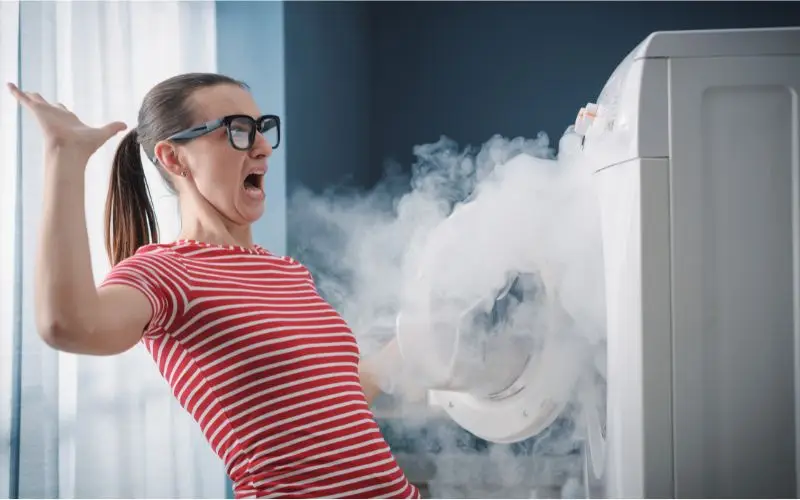
If your tumble dryer smells damp, musty or burnt, it should be checked. A damp smell is often linked to lint, wet laundry or poor airflow, while a burning smell can be more serious.
How to prevent tumble dryer smells:
- Clean the lint filter after every use.
- Do not overload the dryer.
- Check the ventilation or moisture outlet path.
- Avoid putting very wet laundry straight into the dryer.
- Switch the appliance off if you notice a burning smell.
A burning smell from a tumble dryer should not be ignored, as it may be linked to overheating, blocked airflow or an internal fault.
6. Bad Smell from an Oven or Cooker
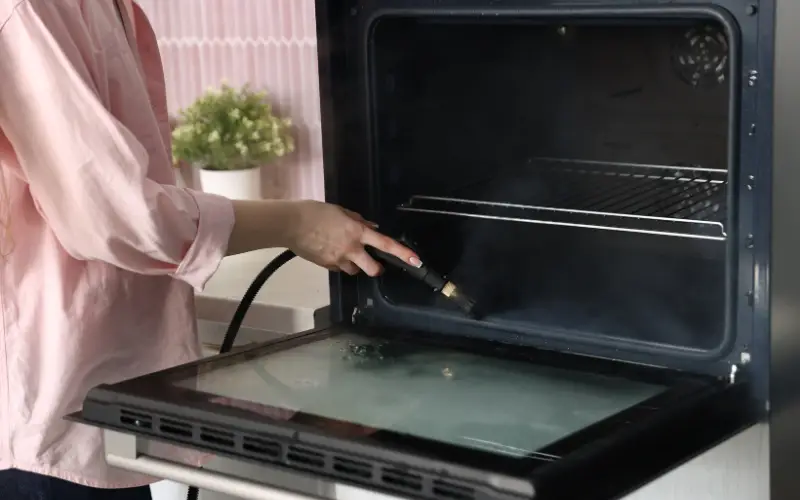
Bad smells from an oven are often caused by burnt grease, food residue or spills inside the appliance. However, if you notice a strong burning smell, hot electrical smell or gas smell, it should not be ignored.
Important oven and cooker tips:
- Clean the oven once it has fully cooled down.
- Do not leave burnt grease or food residue for too long.
- Do not switch the appliance on if the smell seems electrical.
- Stop using the cooker if you smell gas.
- If the appliance trips the power or overheats, it should be checked.
When Is an Appliance Smell Dangerous?
1. Burning smell: Stop using the appliance if it smells like burning.
2. Drain or sewage smell: The drain path, pump or hose may be blocked or faulty.
3. Gas smell: Do not switch the cooker on if you smell gas around it.
4. Smell with leaks or errors: If the smell comes with leaking, unusual noise or an error code, professional inspection is recommended.
How to Prevent Bad Smells in Home Appliances
- Clean washing machine, dishwasher and tumble dryer filters regularly.
- Leave washing machine and dishwasher doors slightly open after use.
- Store fridge and freezer food in suitable sealed packaging.
- Keep appliance door seals clean and dry.
- Avoid using too much detergent.
- Run maintenance cleaning cycles where suitable.
- Do not ignore smells that remain after basic cleaning.
Frequently Asked Questions About Bad Appliance Smells
Why does my washing machine smell bad even after a wash?
This is usually caused by trapped moisture, mould around the door seal, a dirty filter or detergent residue.
What does a sewage smell from a dishwasher mean?
It may be caused by a dirty filter, blocked drain path, drain hose issue or water sitting inside the appliance.
Is a burning smell from a tumble dryer dangerous?
Yes. A burning smell from a tumble dryer should be taken seriously, as it may be linked to overheating or blocked airflow.
When should I call an appliance engineer?
If the smell is strong, repeated, similar to burning, gas or sewage, or appears with leaks, error codes or poor appliance performance, the appliance should be checked.
Final Thoughts
Bad appliance smells are usually caused by moisture, dirty filters, food residue, mould, poor drainage or limescale. Regular cleaning, keeping door seals dry, checking filters and running maintenance cycles can help prevent many odours. But if the smell is strong, repeated or similar to burning, gas or sewage, the appliance should be inspected by a professional engineer.