
A practical appliance maintenance checklist for London homes, covering washing machines, dishwashers, fridges, freezers, ovens, cookers and tumble dryers. Learn simple cleaning, safety and warning-sign checks to help keep your home appliances working efficient
Proper appliance maintenance can help your household appliances last longer, reduce the risk of sudden breakdowns and keep your washing machine, dishwasher, fridge, freezer, oven, cooker and tumble dryer working more efficiently. This practical checklist is designed for busy homes and flats across London.
Why Regular Appliance Maintenance Matters
In many London homes, household appliances are used every day. Washing machines, dishwashers, fridges, freezers and tumble dryers often work hard, especially in family homes, rental properties and smaller flats where kitchen space is limited.
A simple maintenance routine can help prevent problems such as water leaks, unpleasant smells, poor cooling, damp laundry, higher energy use and damage to internal parts. Many common appliance faults can be reduced with regular cleaning, careful use and a few simple checks.
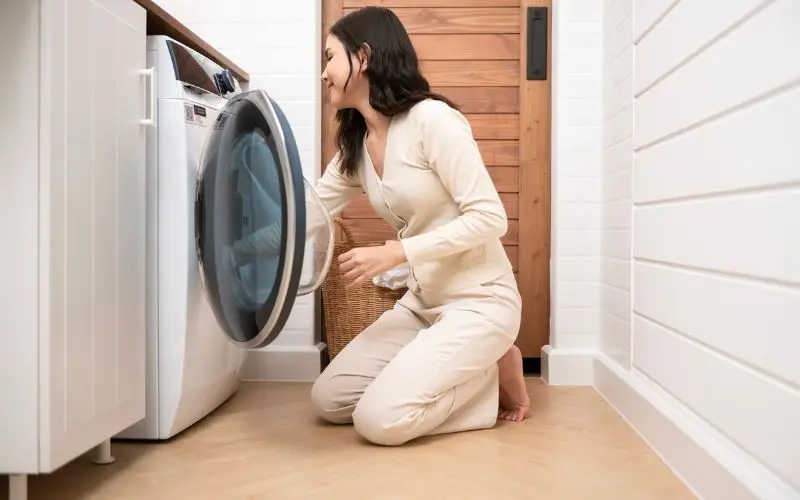
1. Washing Machine Maintenance Checklist
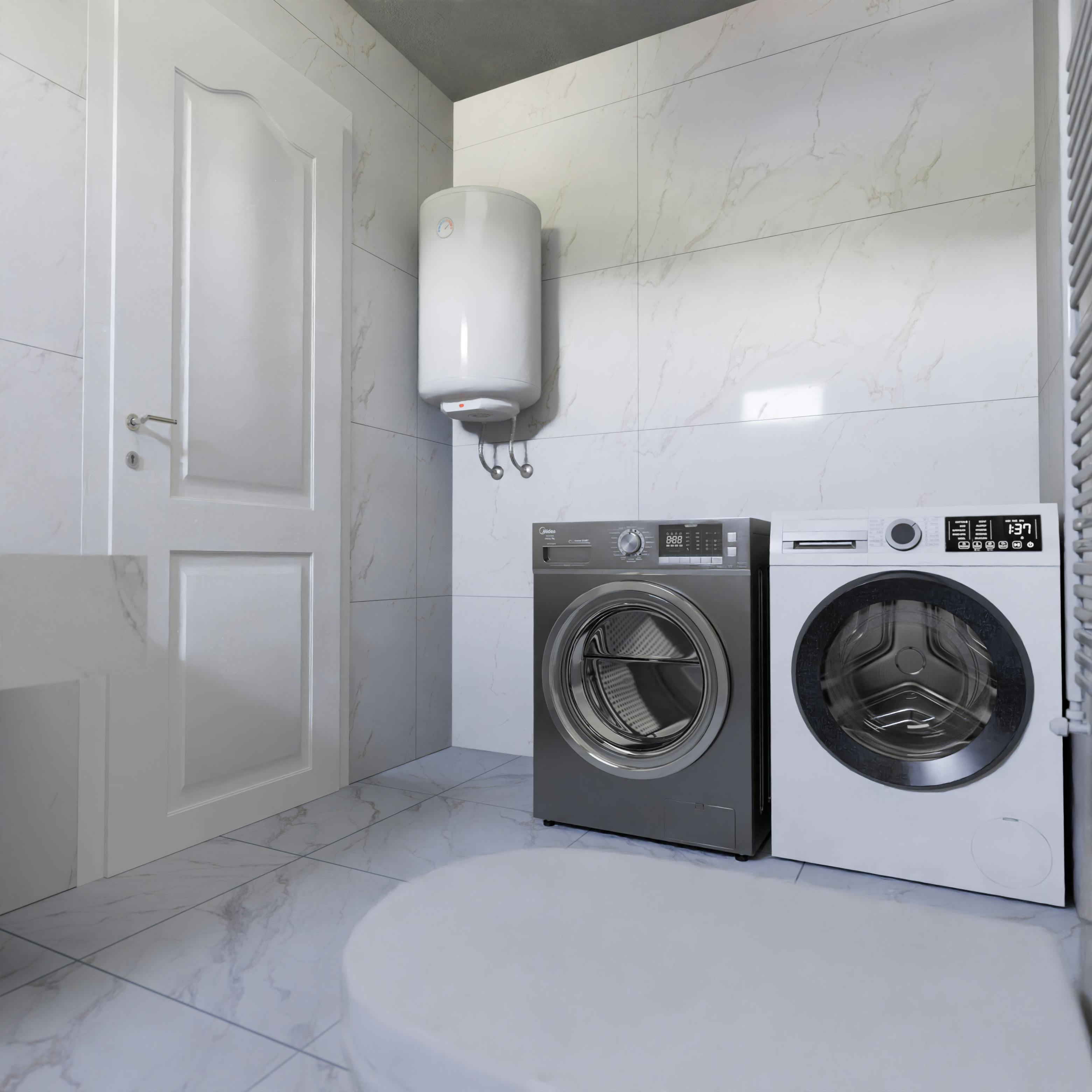
A washing machine is one of the hardest-working appliances in the home. Without regular maintenance, it may start to smell, stop draining properly, vibrate heavily, make unusual noises or leave detergent and foam inside the drum.
What you should check:
- Clean the washing machine filter regularly.
- Leave the door slightly open after a wash to let moisture escape.
- Wipe and check the door seal to prevent mould and bad smells.
- Avoid overloading the drum with too many clothes.
- Check that the machine is level if it vibrates heavily during a cycle.
If your washing machine still does not drain, fails to complete a cycle or makes unusual noises even after regular cleaning, it may need professional inspection.
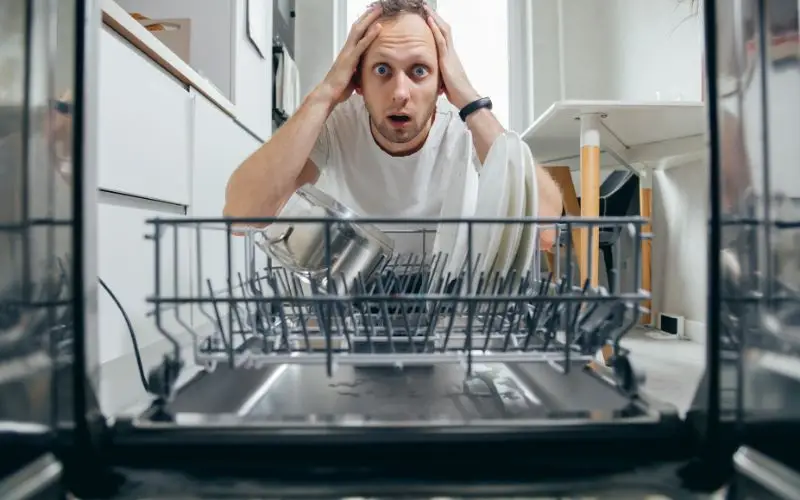
2. Dishwasher Maintenance Checklist
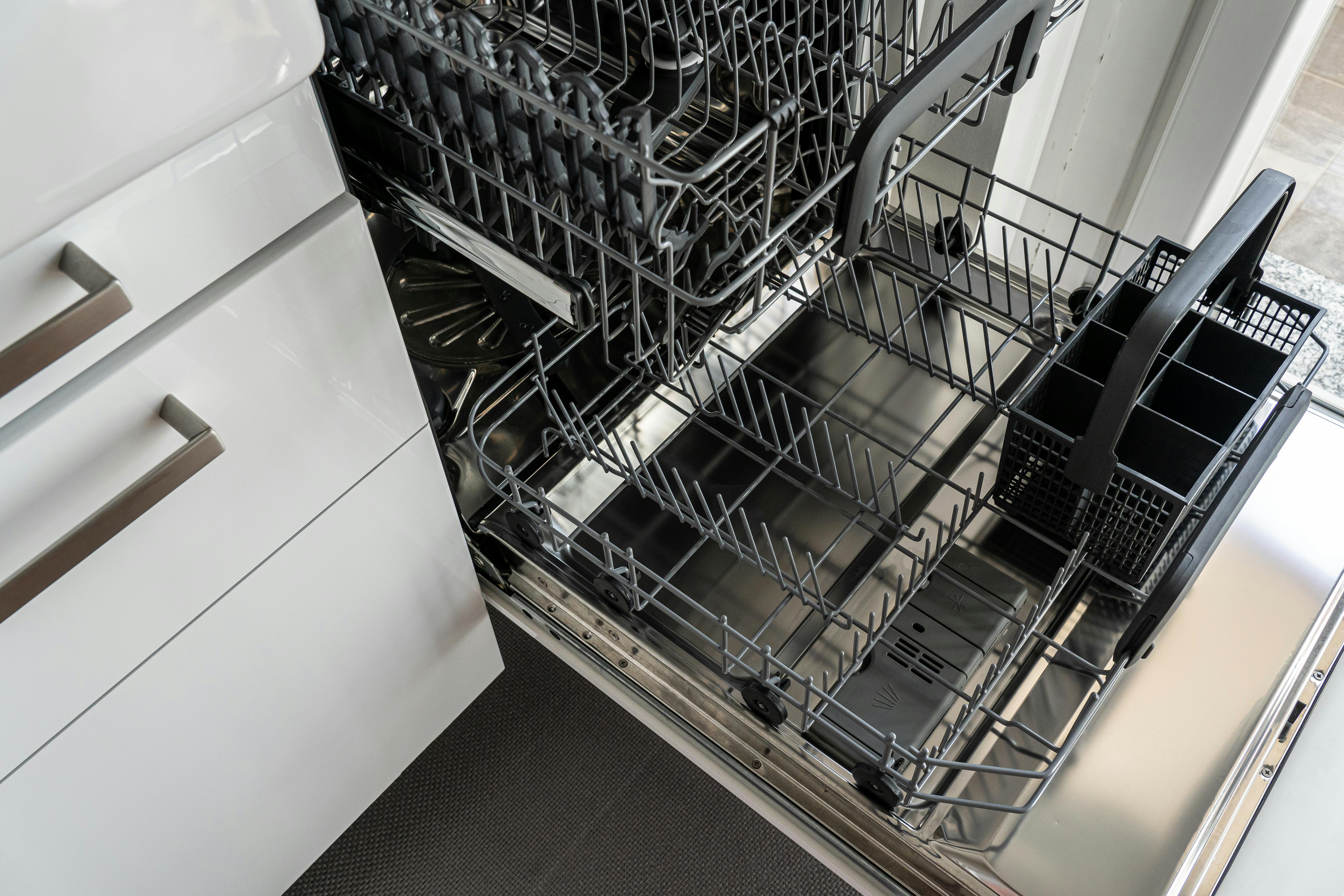
If a dishwasher is not cleaned properly, it may stop cleaning dishes well, leave water at the bottom or develop an unpleasant smell. Many dishwasher problems begin with a dirty filter, food debris or a blocked drainage path.
What you should check:
- Remove and clean the dishwasher filter regularly.
- Scrape large food waste from plates before loading.
- Check the spray arms and make sure the holes are not blocked.
- Load dishes correctly so the spray arms can rotate freely.
- Run an empty cleaning cycle from time to time to freshen the inside of the machine.
If the dishwasher still does not drain or dishes come out dirty after cleaning the filter, the fault may be linked to the pump, heating element or water inlet system.
3. Fridge Maintenance Checklist
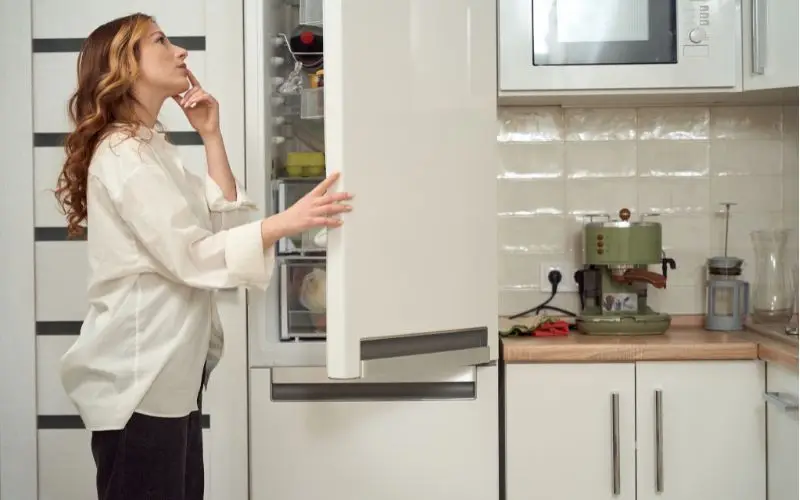
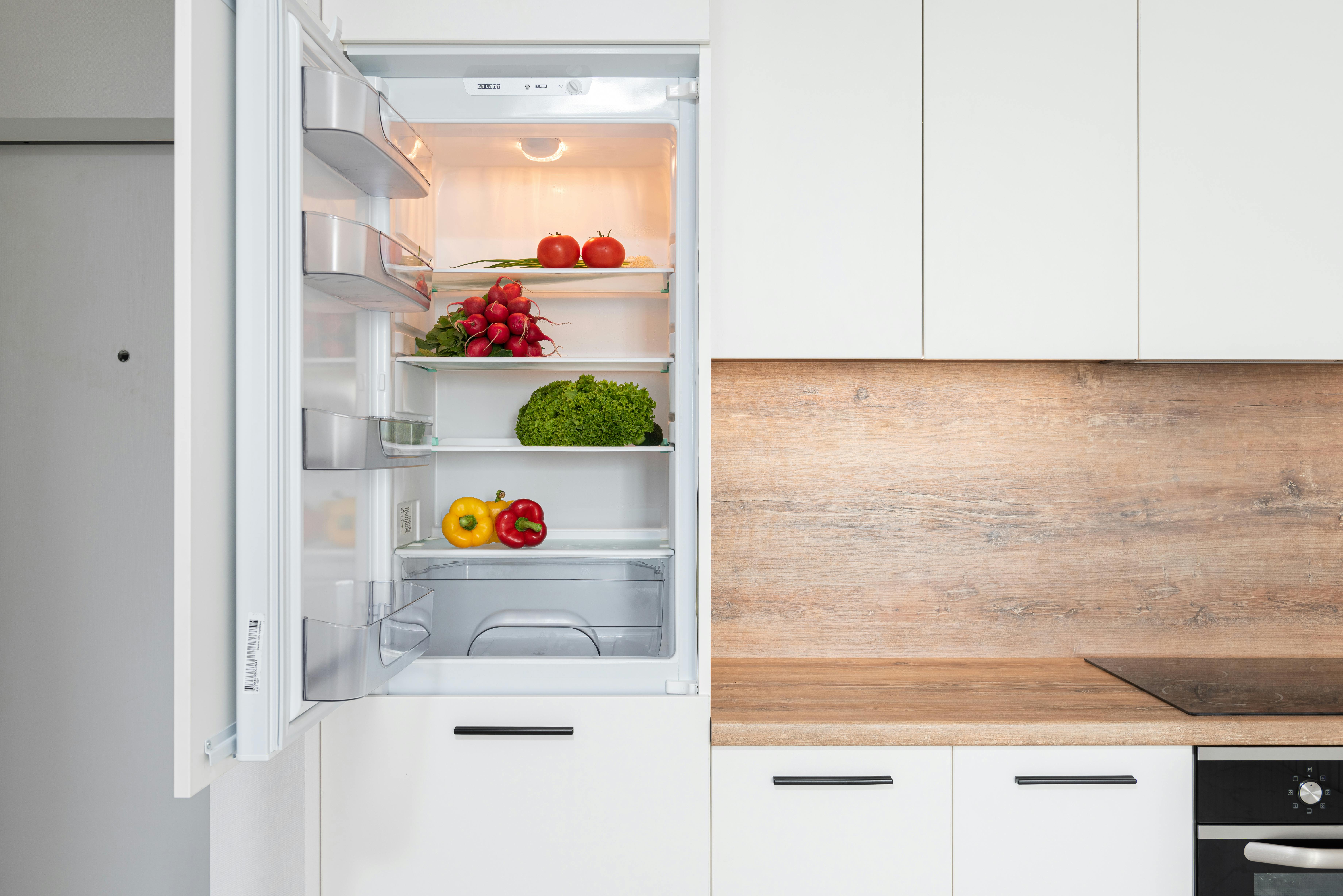
A fridge runs continuously, so good maintenance is very important. Poor cooling, a constantly running motor, water collecting inside the fridge or food spoiling too quickly are warning signs that should not be ignored.
What you should check:
- Keep the fridge temperature set correctly.
- Check the door seal to make sure the door closes properly.
- Arrange food so cold air can circulate inside the fridge.
- Keep the back of the fridge clear of dust where possible.
- Avoid overfilling the fridge, as this can reduce airflow.
If your fridge still does not cool properly or the motor runs constantly despite the correct temperature setting, the issue may involve the thermostat, fan, compressor or temperature sensor.
4. Freezer Maintenance Checklist
A freezer should maintain a stable temperature. Excessive ice build-up, heavy frost, soft frozen food or unusual switching on and off can all be signs of a developing problem.

What you should check:
- Do not leave the freezer door open for long periods.
- Avoid placing hot food directly into the freezer.
- Check the door seal so warm air does not enter the appliance.
- Defrost the freezer when needed if it is not a frost-free model.
- Avoid packing frozen food too tightly inside the freezer.
If frost returns very quickly or the freezer cannot maintain the correct temperature, the problem may be linked to the defrost system, fan or temperature sensor.
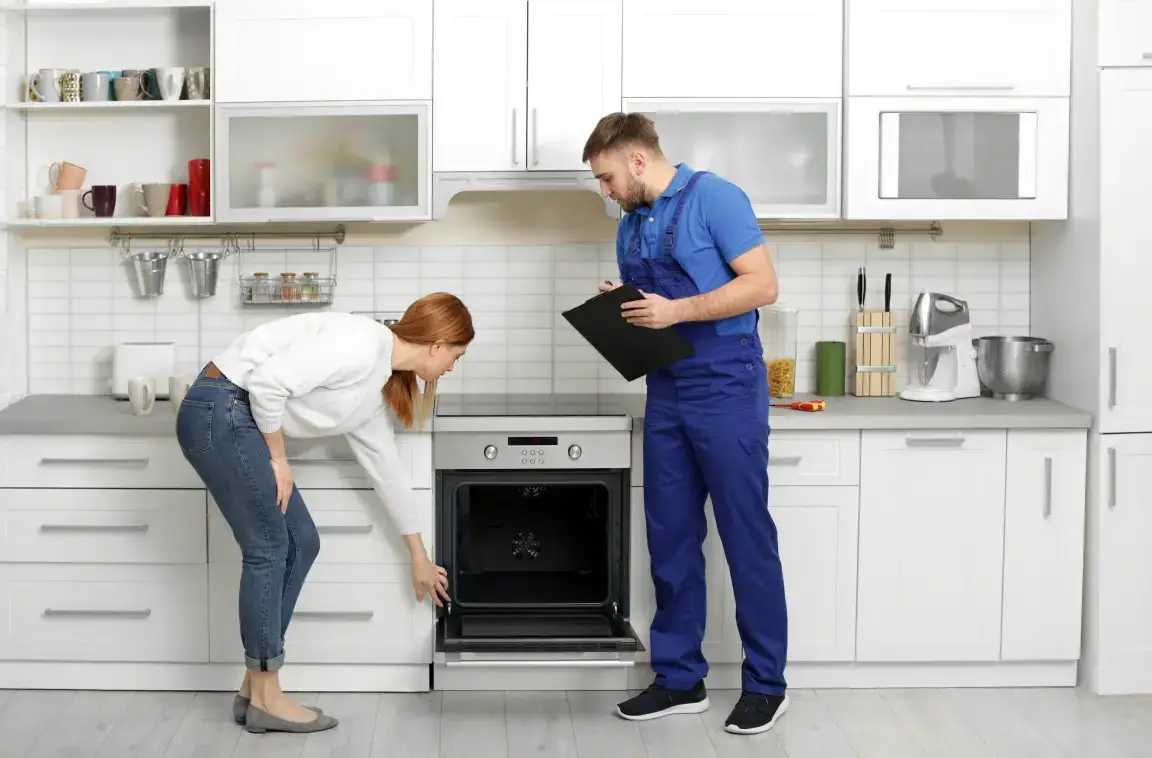
5. Oven and Cooker Maintenance Checklist
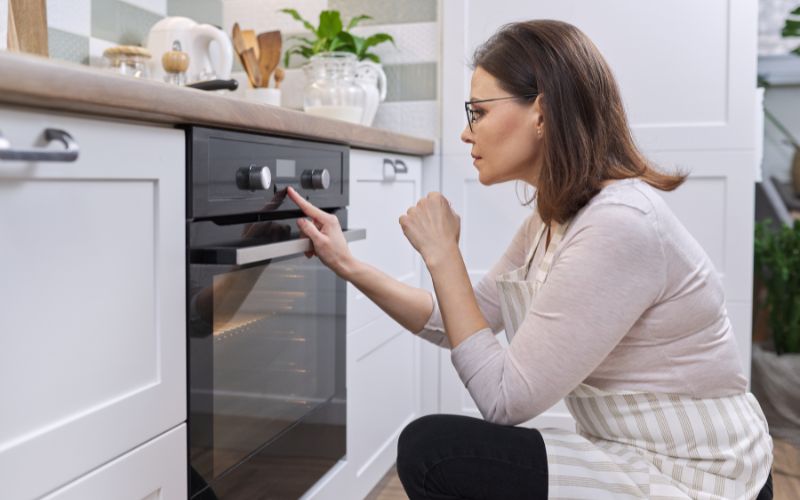
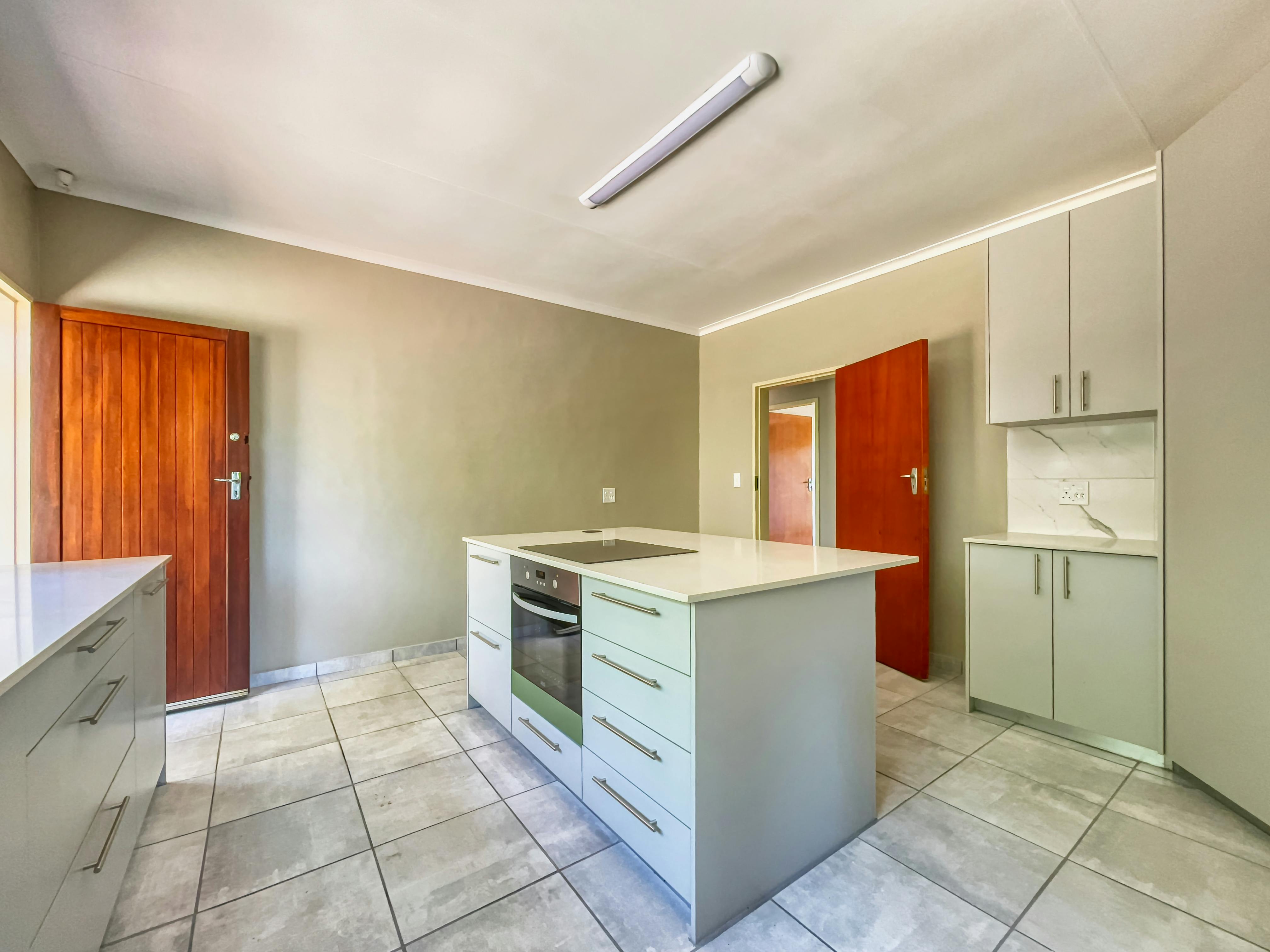
Ovens and cookers work with heat, electricity or gas, so maintenance and safety checks are especially important. An oven not heating, uneven cooking, a burning smell or faulty controls can all indicate a problem.
What you should check:
- Clean the oven once it has cooled down after use.
- Do not let grease or food residue build up around the heating elements or oven floor.
- Check that the oven door closes properly.
- Do not continue using the oven for long periods if it cannot hold the right temperature.
- If you smell gas, burning or notice power tripping, stop using the appliance.
If your oven cooks unevenly, the cooker does not turn on or the appliance trips the power, the problem should be taken seriously and checked by an engineer.
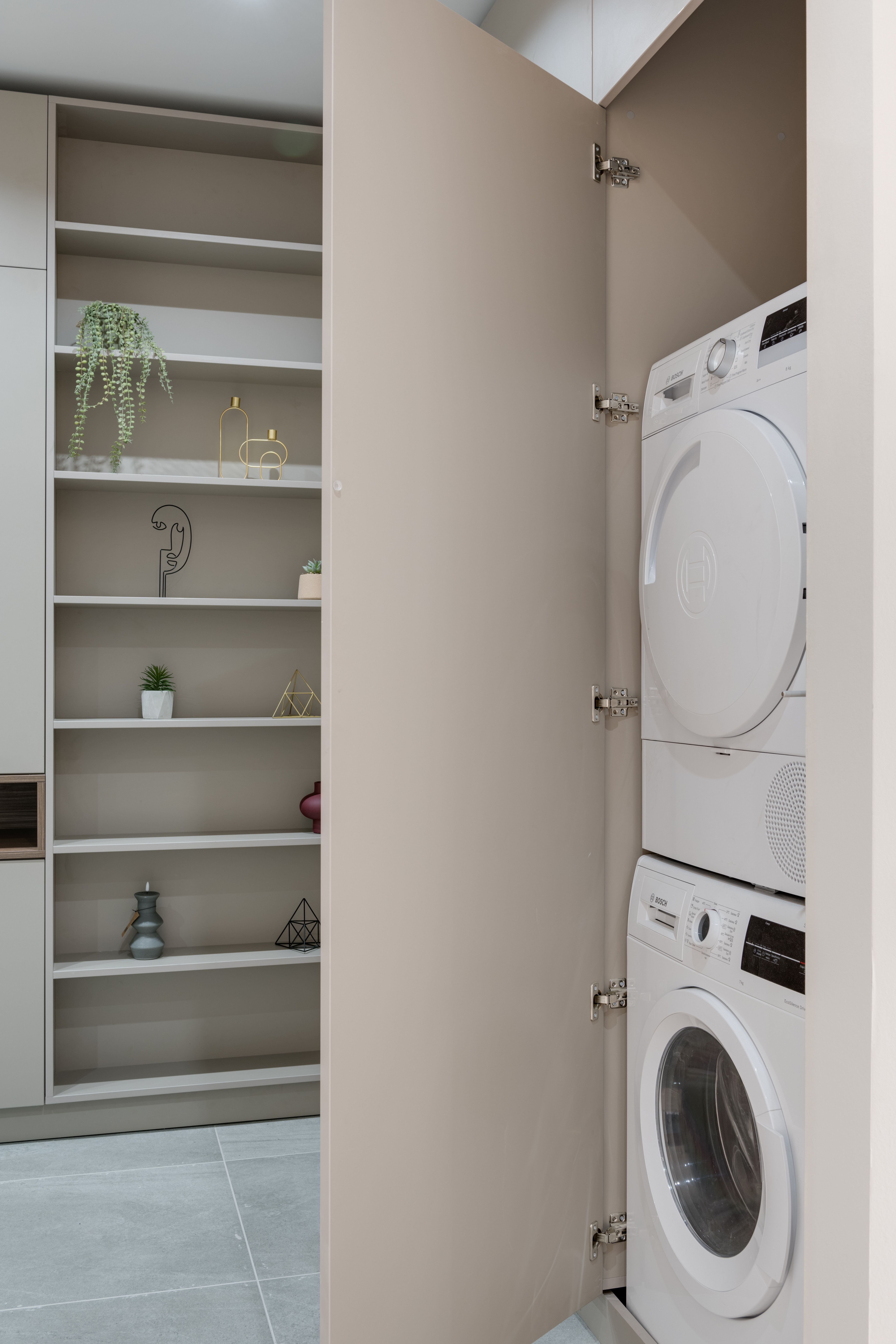
6. Tumble Dryer Maintenance Checklist
A tumble dryer that is not maintained properly may leave clothes damp, overheat or produce a burning smell. Keeping the lint filter and ventilation path clear is one of the most important parts of tumble dryer care.
What you should check:
- Clean the lint filter after every use.
- Do not overload the dryer beyond its recommended capacity.
- Stop using the dryer if it becomes excessively hot.
- Check the ventilation or air outlet path.
- Pay attention to burning smells, unusual noises or sudden stopping.
Overheating issues in a tumble dryer should be taken seriously, as they can damage internal parts and may create a safety risk.
Monthly Appliance Maintenance Checklist
Week 1: Check and clean the washing machine and dishwasher filters.
Week 2: Inspect the door seals on the fridge, freezer, washing machine and dishwasher.
Week 3: Clean the inside of the oven, cooker area and the spaces around household appliances.
Week 4: Check for unusual noises, leaks, smells, display errors and general appliance performance.
Warning Signs You Should Not Ignore
Some warning signs may look minor at first, but they can be the beginning of a more serious appliance fault. If you notice any of the following, it is better to take action:
- Water leaking from under the appliance or around hoses
- Burning smells, gas smells or persistent unpleasant odours
- Power tripping when the appliance is switched on
- Loud noises, heavy vibration or knocking sounds
- A fridge not cooling or a freezer not freezing properly
- A tumble dryer not drying clothes properly
- Repeated error codes on the appliance display
Frequently Asked Questions About Appliance Maintenance
How often should I clean the washing machine filter?
It depends on how often the machine is used, but the filter should be checked regularly. If the machine drains slowly or smells bad, cleaning the filter is a good first step.
Why does my dishwasher start to smell over time?
Food residue, a dirty filter, moisture inside the appliance or a blocked drain path can all cause bad smells. Regular filter cleaning and an occasional empty cleaning cycle can help.
Can overfilling a fridge cause problems?
Yes. If the fridge is too full, cold air cannot circulate properly and some areas may not stay cool enough.
When should I stop using an appliance?
Stop using the appliance if you notice a burning smell, power tripping, water leaks, a gas smell or very loud unusual noises. The appliance should be checked before it is used again.
Final Thoughts
Regular appliance maintenance can help prevent many common problems in London homes. Cleaning filters, checking door seals, listening for unusual noises, avoiding overloading appliances and watching for leaks or burning smells are simple steps that can help your appliances last longer.