


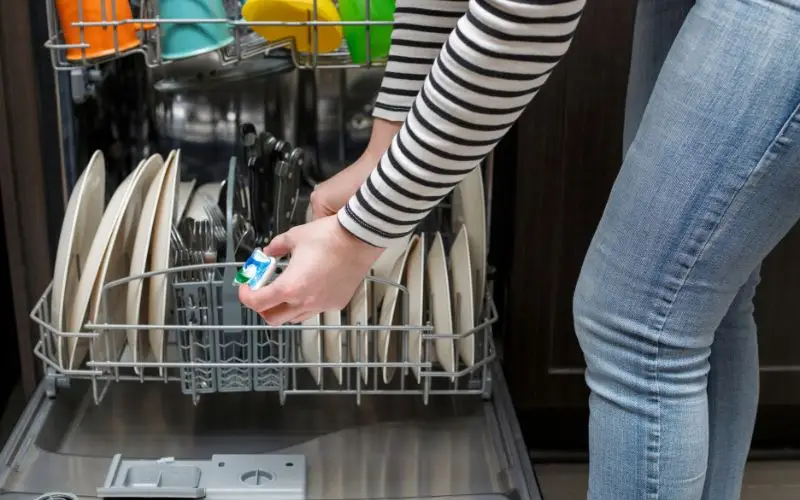
When you open your dishwasher, do you notice a damp, stale smell? Do your glasses come out cloudy, or do you find food bits on plates that should be clean?
If so, you may be wondering: how often should you clean a dishwasher?
Many people think a dishwasher cleans itself while it washes. It does not. Food bits, grease, soap scum and limescale build up in the filter, spray arms and door seal. This dirt blocks water flow, causes bad smells and can damage the pump over time.
This guide was written by our London repair engineers. It gives you a clear cleaning schedule, simple steps to follow at home, common error codes and signs that it is time to call a professional.
Dishwasher Cleaning Schedule
Follow this simple timeline to keep your machine working well:
- Daily: Scrape food from plates into the bin before loading. After the cycle, leave the door slightly open so the inside can dry.
- Weekly: Take out the bottom filter and rinse it under warm tap water. Wipe the rubber door seal with a damp cloth.
- Monthly: Run an empty hot wash at 65°C with a dishwasher cleaner or descaler. Check the small holes in the spray arms for blockages.
- Every six months: Check the drain hose for kinks or grease build-up. If you are comfortable doing so, check the mesh filter in the water inlet.
This routine helps you avoid bad smells and expensive breakdowns.
Why Do Dishwashers Get Dirty in London?
A dirty dishwasher smells bad, cleans poorly and wears out faster. These are the most common causes in London homes.
1. Hard Water and Limescale
London has very hard tap water. When it is heated, it leaves white limescale on the heating element, valves and other inner parts. If it is not removed regularly, limescale can cause overheating and pump problems.
2. Grease and Low-Temperature Washes
Eco programmes often run at around 45°C. This is not always hot enough to melt animal fats or dissolve detergent residue. The grease then builds up inside the tub and hoses.
3. Food Waste in the Filter
Rice, seeds and paper labels are washed off plates and collect in the bottom filter. When the filter clogs, the drain pump has to work harder, which can lead to early failure.
Signs Your Dishwasher Needs Attention
Look out for these warning signs:
- Dishes feel gritty or look dull and cloudy.
- Water is left in the bottom of the tub after a cycle.
- The tub has a sour smell.
- The spray arms do not spin freely.
- An error code appears on the display.
Error Codes Linked to Dirt and Blockages
When dirt or blockages reduce water flow, your dishwasher may show a code. These are common examples, but always check your manual, as codes can vary by model:
- Bosch and Siemens: E24 or E25 usually points to a drain blockage.
- Samsung: 5E or 5C usually points to a drain fault. 4E or 4C usually points to a water supply problem.
- Beko: i30 often relates to a leak or flood protection issue.
- Hotpoint and Indesit: F02 or F11 can point to a drain pump or related fault.
5-Step DIY Deep Clean
Step 1: Turn Off the Power
Safety comes first. Switch off the dishwasher at the wall socket and unplug it before cleaning.
Safety warning: Never open electrical parts of the machine. Water and electricity do not mix. Contact a professional for any electrical work.
Step 2: Clean the Bottom Filter
- Open the door and remove the bottom rack.
- Twist the filter anticlockwise and lift it out.
- Take off the flat mesh plate.
- Rinse both parts under warm tap water.
- Use a soft toothbrush to remove grease.
- Check the open hole for broken glass or small objects.
- Refit the filter and twist it back into place.
Step 3: Clear the Spray Arms
- Remove the top and bottom spray arms.
- Hold each arm under the tap and let water run through it.
- Check the small jet holes for blockages.
- Use a cocktail stick to remove stuck seeds or limescale.
- Rinse again and snap the arms back into place. Make sure they spin freely.
Step 4: Wipe the Rubber Seal
1. Mix warm water with a few drops of washing-up liquid.
2. Gently pull back the lips of the rubber door seal.
3. Wipe away black dirt with a damp cloth.
4. Clean any grease from the bottom edge of the door.
Step 5: Run a Hot Wash
- Make sure the dishwasher is empty.
- Add a dishwasher cleaner or descaler, following the instructions on the pack. Some manufacturers also allow a cup of white vinegar, so check your manual first.
- Choose the hottest programme, usually between 65°C and 75°C.
- Let the full cycle run. The heat helps loosen grease inside the hoses.
When Should You Call an Engineer?
A filter and spray arm clean fixes many problems. If your dishwasher still does not work properly afterwards, a part inside may be faulty.
Speak to an engineer if:
- Water stays in the bottom of the tub after a cycle, even after cleaning the filter. Our guide on why your dishwasher is leaving water at the bottom explains the common causes.
- The water does not heat up.
- The machine trips your fuse box.
- Water leaks onto your kitchen floor.
Parts such as heating elements, drain pump motors and circuit boards should only be repaired by a trained engineer, who can test them safely with the right tools.
Frequently Asked Questions
Can I use bleach in my dishwasher?
It is best to avoid it. Bleach can damage rubber seals and some metal parts. Use a dishwasher cleaner or descaler instead, and check your manual.
Why does my dishwasher still smell after cleaning the filter?
Smells can also build up in the drain hose and around the door seal. Run a hot wash with a dishwasher cleaner to clear hidden grease.
How often should I add dishwasher salt?
Top it up when the salt indicator light comes on. In a hard water area like London, salt helps protect the machine from limescale.
Do eco programmes keep the machine clean?
Not on their own. Lower temperatures can let grease build up, so run a hot wash once a month.
Need Help With a Faulty Dishwasher?
Is your dishwasher failing to clean, leaking or showing an error code?
A damaged machine can disrupt your kitchen routine. Our local engineers cover all London boroughs and can help with Bosch, Samsung, Beko, Hotpoint, Indesit, LG, Miele and Siemens models.
If cleaning has not solved the problem, book a visit for Dishwasher Repair in London and get clear pricing and expert help at your home.