


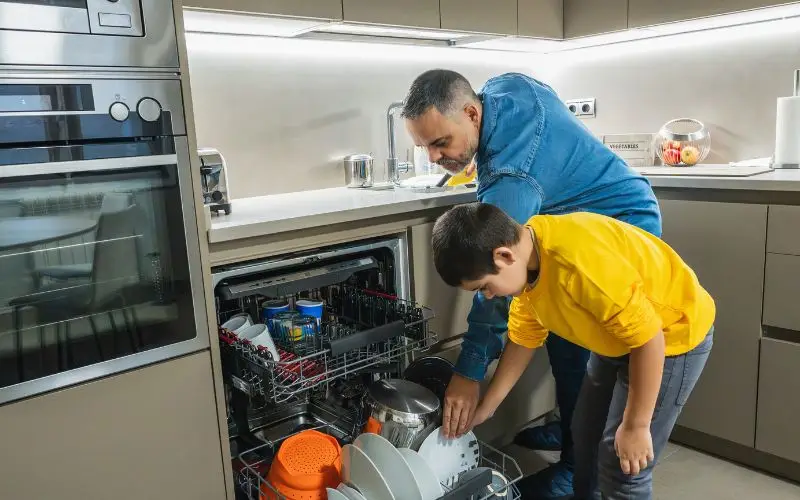
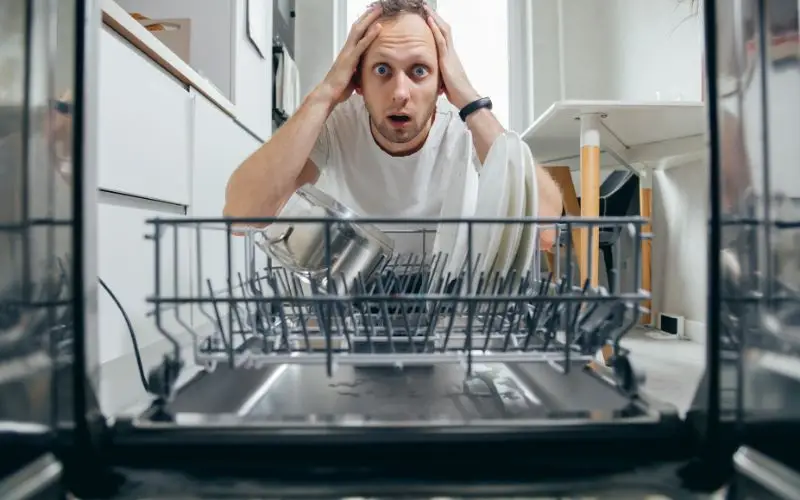
You walk into your kitchen to get a clean plate. You open the door of your machine, and right away you smell bad, stale water. You look down at the bottom of the tub. A thick puddle of murky grey water is just sitting there. Your plates still feel sticky, and the wash tab did not even melt away properly.
It ruins your whole morning. You stand by the counter wondering, why is your dishwasher leaving water at the bottom when the timer went all the way down to zero? We deal with this exact issue every day in homes across the city. Most of the time, it comes down to a bit of trapped food or a squashed plastic pipe under your sink. If you need a fast hand, our crew does dishwasher repair in London all week long. Let us walk through what went wrong and how you can get that water moving again.
That Food Filter Is Clogged with Sludge
Take a look at the floor inside your machine. That round plastic piece right in the middle is your food filter. Every time you run a wash, bits of rice, pasta, peas, and grease wash off the plates. That filter catches all that muck so it does not choke your home pipes.
If you have not taken that filter out in a few weeks, old food turns into a thick, slimy layer of grease. Water cannot push through the mesh screen anymore, so it sits right in the tub. Take the bottom dish tray completely out of the machine. Grab the plastic filter cap, twist it to the left, and lift it straight up.
Take it over to your kitchen sink and wash it under warm tap water. Grab an old dish brush and some regular washing liquid to scrub the slimy grease off the mesh. Look down into the open hole in the machine floor and wipe out any stray peas or seeds with a piece of kitchen roll. Pop the clean filter back into place, twist it until it clicks, and see if the water starts to drop.
When the Hose is Squashed?
Your dishwasher pushes dirty water out through a flexible grey plastic hose. This ribbed pipe runs out the back of the machine and hooks straight into the drain pipe under your kitchen sink. If that pipe gets bent in half or squashed flat, the water gets trapped inside the tub.
Think about what sits inside your cupboard under the sink. Most of us shove heavy bottles of bleach, buckets, and big boxes of soap down there. When you push a heavy bottle in too hard, you can easily crush that plastic drain hose flat against the back wall. That leaves your dishwasher not draining at the end of the wash cycle.
Get down on your knees with a small torch and look inside your sink cupboard. Follow that grey pipe from the wall to the drain connection. If you see a sharp fold or kink in the hose, move your cleaning bottles out of the way. Straighten the tube out with your hand so water can flow freely again.
The Sink Drain Under Your Counter Is Blocked
Your dishwasher shares the exact same waste pipe as your kitchen sink. If your sink drains slowly when you wash big pans, your dishwasher is going to struggle to push water out too. Cooking fat, butter, and soap scum stick to the inside of the sink pipes over time.
When the sink trap gets full of grease, dirty water from the sink can actually run backwards into your dishwasher hose. You can test this right now. Turn on the hot water tap in your sink and let it run for a full minute. If the water starts rising up in the sink bowl, your main sink drain has a blockage.
Pour a kettle of hot water straight down the sink drain to melt that soft fat away. If your dishwasher hooks up to a food waste unit under the sink, run that unit for thirty seconds with the tap running to clear out any old trapped crumbs.
Small Hard Bits Jammed in the Pump
Right under the filter, there is a small pump with little plastic spinning blades. The pump turns fast to push dirty water away. Even with a good filter, small hard items can slip past the plastic edge.
Tiny things like a broken bit of glass, an olive stone, a small chicken bone, or a wooden toothpick can fall into the pump blades. When a hard object gets stuck in there, the motor cannot turn. You might hear a low humming or buzzing noise when the machine tries to empty, but the water stays completely still.
Always switch the power off at the wall plug before you touch the pump area. Bail out the standing water with an old plastic mug and a sponge. Many machines have a small plastic clip you can pop off to see the pump blades. Carefully feel around for any hard bits, but go slow so you do not cut your fingers on broken glass.
Error Codes on the Screen
Modern dishwashers have small computer boards that keep track of the water flow. If the machine cannot pump the water away in time, it stops the wash and shows a code on the screen.
If you have a Bosch machine, it will usually show an E24 error or light up a small tap symbol on the front panel. You can check our Bosch dishwasher error codes guide to see how to deal with that brand.
If you have an Electrolux or AEG machine, you might see an i20 code on the little display. Take a look at our Electrolux dishwasher error codes guide to learn how to clear that code safely.
Knowing When to Call an Engineer
Washing your filter, untwisting a hose under the sink, and wiping out food bits are safe jobs you can do on your own. But you should never try to take the metal bottom off the machine or mess with electrical wires. Water and electricity are dangerous together, and you can easily hurt yourself.
If you cleaned the filter and checked all the pipes, but the water still sits in the tub, the pump motor may have failed. The team at London Appliance Repair is always here to help. Booking a trusted appliance repair London engineer is the safest way to get your machine running like new again.
Frequently Asked Questions
Why is there dirty water at the bottom of my dishwasher?
A blocked food filter or a kinked drain hose under the sink is the most common reason.
Is a tiny bit of clean water in the bottom normal?
Yes, a small cup of clean water stays under the filter to keep the rubber seals wet.
How often should I clean the filter?
You should pull the filter out and wash it under the tap once every week.
Can a blocked sink stop my dishwasher from draining?
Yes, because both appliances share the exact same waste pipe under your kitchen counter.
What does a humming noise mean when draining?
A hard object like a bone or broken glass might be wedged in the pump blades.
How do I get the dirty water out of the tub?
You can scoop the water out with an old plastic mug and soak up the rest with a towel.
Final Thoughts on Your Dishwasher
Opening your dishwasher to find a pool of dirty water is annoying, but it is rarely the end of the world. Most of the time, all you need to do is clean out the food filter in the sink or pull a kink out of the hose under your counter.
If you tried the basic checks and that puddle is still there, do not stress yourself out. Our friendly local engineers at London Appliance Repair fix dishwashers across London every single day. Get in touch with us today, and we will get your dishwasher draining quickly and safely.