



Is your bottle of detergent running out far too quickly? Do you see thick suds on the door glass, or do your clothes feel slimy or stiff after a wash? Using too much detergent wastes money, and it can leave residue on your clothes, cause smells and harm your machine over time.
This guide explains how to tell if your washing machine is using too much detergent, the most common causes (some are simple habits, and some are faults) and what you can safely do about it.
In most cases, the cause is simply using too much detergent, or using the wrong type for your machine. But if your machine has an automatic dosing system, a faulty dispenser, a blocked drawer siphon or a water inlet fault can also release too much detergent. Clean the drawer, use less detergent and choose one made for your machine. If the problem continues, ask an engineer to check it.
How to Tell If You Are Using Too Much Detergent
The signs are easy to spot. You may see thick white suds on the door glass during the wash. Clothes can feel slimy, sticky or stiff, and dark clothes may have white streaks. The drum may smell musty or like dirty water, and the machine may keep rinsing for a long time. You may also find detergent left in the drawer after a wash.
Excess detergent also makes the machine work harder. Many washing machines have a sensor that detects too many suds, and they add extra rinses to clear them. This uses more water and electricity, and it makes cycles longer.
Common Causes
1. Simply Using Too Much
Many people use more detergent than they need. More does not mean cleaner. In most cases, extra detergent does not get washed out, and it stays in the fabric and in the machine. Use the amount shown on the pack for your load size and the soil level. If your clothes are only lightly worn, use less.
2. The Wrong Type of Detergent
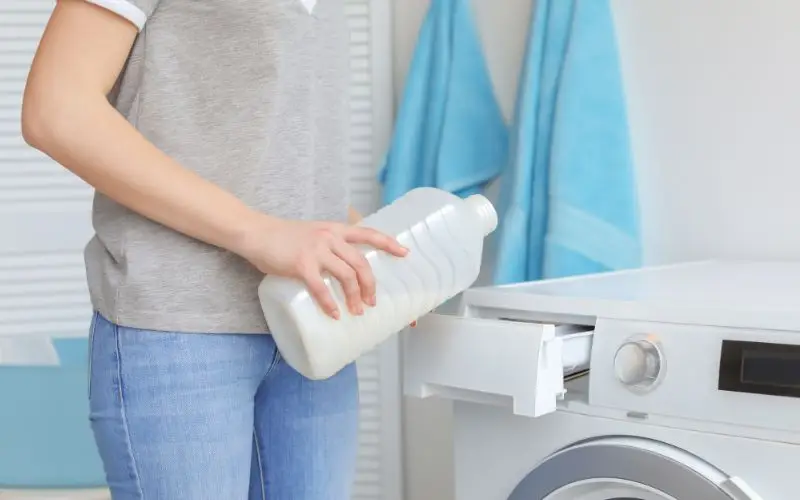
Front-loading machines need low-suds detergent. Hand-washing liquids and some products for top-loading machines create too many suds. Check the label, and use a detergent that is made for automatic washing machines. Also remember that detergent pods and capsules usually go into the drum, not the drawer, so check the instructions on the pack.
3. A Faulty Automatic Dosing System
Some washing machines have an automatic dosing system, which stores detergent in a tank and releases the right amount for each load. Bosch calls its system i-DOS, and other brands use names such as Auto Dose. If the dosing pump, a sensor or the control board develops a fault, the machine may release too much detergent. A sign of this is a tank that empties much faster than usual. A trained engineer needs to test the electronic parts safely.
4. A Blocked Drawer or Siphon Cap
Check the detergent drawer. Many drawers have a small plastic siphon cap in the fabric softener compartment. Thick detergent and limescale can block it, which stops water from flowing properly and leaves residue in the tray. London has hard water, so limescale builds up quickly. Our guide on how to clean a detergent drawer explains how to take the drawer apart and clean it safely.
5. A Fault With the Water Inlet Valve
The water inlet valve lets water into the machine. If it sticks open, or the machine cannot control the water properly, a lot of water can run through the drawer at the wrong time. This can wash all the detergent into the drum at once, causing suds, or even leaks onto the kitchen floor.
6. A Blocked Water Level Sensor Tube
A small tube connects the water level sensor (the pressure switch) to the drum. Over time, detergent residue and lint can block it. The machine then receives the wrong information about the water level, which can cause overfilling and excess suds.
7. Overloading or Underloading
Overloading stops clothes from rinsing properly, so detergent stays in the fabric. Underloading can also cause problems, because a small load needs less detergent, and many people still use the full amount.
Easy Steps to Try at Home
Before you call an engineer, try these simple steps. Switch the machine off at the wall socket, and unplug it before you clean anything.
Take out the detergent drawer, and wash it in warm water. Use an old toothbrush to remove residue, and clean the siphon cap and the empty slot behind the drawer.
Use less detergent. Start with the amount on the pack for a lightly soiled load, or even a little less, and see how your clothes feel. If you are not sure how hard your water is, check the pack’s dosing table.
Use the right detergent. Choose a low-suds product made for automatic washing machines, and put pods in the drum.
Clean the pump filter. Our guide on how to clean a washing machine filter properly explains how to do this, but have a bowl and towels ready for the water. Remove any coins, lint or debris.
Run a hot maintenance wash with an empty drum once a month, using a washing machine cleaner. Follow the instructions on the pack. Never mix cleaning products such as bleach and vinegar, because this can release dangerous gas.
If detergent residue has caused a musty smell or mould around the rubber door seal, our guide on why your washing machine door seal is mouldy explains how to clean it and stop it coming back.
Safety Advice
Always unplug the machine before you touch any internal parts. Do not remove the top or back panel. Washing machines have mains electricity, and parts such as the motor capacitor can hold a charge even when the machine is unplugged. Mixing electricity and water is dangerous, so always leave internal electrical work to a trained engineer.
When Should You Call an Engineer?
If you have cleaned the drawer, used less detergent and the right product, and the machine still uses too much detergent, there may be a fault. Call an engineer if:
- Your automatic dosing tank empties much faster than normal.
- Water keeps running into the drawer, or the drawer is always full of water.
- The machine fills too much or leaks.
- There are always too many suds, even with a small amount of detergent.
- An error code stays on the display.
- The machine trips your fuse box.
An engineer can test the dosing pump, the water inlet valve, the pressure switch and the control board safely.
Frequently Asked Questions
Can too much detergent damage my washing machine?
Yes. Extra detergent leaves a thick residue inside the drum, drawer and pipes. It can cause smells, block the pump filter, damage rubber seals and put extra strain on the parts.
Why does my automatic dosing tank empty so fast?
It may be set to dose too much, or there may be a fault with the pump, a sensor or the control board. Check the settings in the manual first, then ask an engineer to test it.
How much liquid detergent should I use for one wash?
It depends on the product, the size of the load and the hardness of your water. Follow the dosing guide on the pack, and use less for small or lightly soiled loads.
Why do my clothes feel sticky after washing?
Sticky or stiff clothes usually mean detergent was not fully rinsed out. Use less detergent, and avoid overloading the drum.
Does hard water mean I need more detergent?
Many products suggest a slightly higher dose in hard water areas, but you still should not exceed the amount on the pack. London has hard water, so check the product’s dosing table.
Need Help With a Washing Machine That Uses Too Much Detergent?
If your washing machine keeps using too much detergent, fills with suds or leaves residue, even after the simple fixes, a part may need repairing. Our trained and insured engineers cover all London boroughs and work on all major brands, including Bosch, Samsung, Beko, Hotpoint, Indesit and LG, with a guarantee on parts and labour.
Book a visit for Washing Machine Repair in London and get honest advice and clear pricing. Contact London Appliance Repair now.